A honey tasting, a screened beekeeping demonstration and a visit inside an active apiary are three different outings. Before choosing a Hawaiʻi bee tour, decide how close your group wants to get to the hive and what everyone can comfortably do: watch a beekeeper, put on a full suit, walk over farm ground, or handle a frame under instruction.
This guide compares visits on Oʻahu, Maui, Kauaʻi and Hawaiʻi Island. The Big Island has two particularly different options: screened viewing near Captain Cook and a hands-on class near Honokaʻa. Choose the format first, then make sure its location fits your day. Our broader Hawaiʻi farm-tour guide compares honey with fruit, vanilla, coffee and other farm visits.
Jump to the comparison, screened viewing, Oʻahu, Maui, Kauaʻi, Honokaʻa, or booking questions.
Compare the actual hive experience
| Visit | Format and location | The important planning distinction |
|---|---|---|
| Big Island Bees | Watch an opened hive from a screened area near Captain Cook. | No bee suit is needed for the demonstration. Confirm the total visit length; the operator and marketplace publish different durations. |
| Hi Honey Farm | Farm walk, suited hive visit and tasting in Waialua, Oʻahu. | The booking listing does not recommend it for children under 3 and labels the route not wheelchair accessible. |
| Maui Honey Bee Sanctuary | Presentation, suited live-hive experience and tasting near ʻUlupalakua. | Plan for the Upcountry location; bring closed-toe shoes and long, light-colored socks. |
| Lydgate Farms | Suited hive work and tasting on a farm outside Kapaʻa, Kauaʻi. | Ages 9+; the operator specifies uneven walking, extended standing and putting on a suit independently. |
| Bird and Bee Hawaii | Classroom introduction and hands-on frames near Honokaʻa, Hawaiʻi Island. | Confirm the group arrangement and access to the actual hive work, especially for a solo visitor or a nonparticipating companion. |
A screen or a protective suit is not a promise that a visit is suitable for someone with a bee-sting allergy. The listings have specific restrictions: Big Island Bees says guests allergic to stings should not take its tour, while the hands-on operators also publish allergy cautions. Follow the selected provider’s participation rules and discuss any relevant concern before booking.
Big Island Bees: watch the beekeeper from a screened area
This Captain Cook visit is the clearest choice here for someone who wants to see a hive opened without wearing a suit or handling frames. The operator’s tour page describes covered viewing, minimal walking, a honey tasting, a short production video and time for the museum. It labels the visit wheelchair and stroller accessible; confirm the route from your vehicle, seating and any particular mobility requirement.
Allow enough time for the whole visit. The operator describes approximately 90 minutes, while the marketplace lists 45–60 minutes. Ask which duration applies to your reservation. The operator also says to bring water and that refreshments are unavailable, whereas the marketplace mentions tea and snacks; do not plan a meal around that inclusion. Arrange your return ride in advance if you are not driving.
Check Big Island Bees’ screened beekeeping tour. This is an affiliate link: Eco Hawaii Travel may earn a commission from a qualifying booking. Read our affiliate disclosure.
Oʻahu: Hi Honey Farm combines a walk, hive visit and tasting
Hi Honey Farm’s visit includes a walk around the property, an introduction to the bees, a suited encounter with the hives and a guided tasting. The farm is in Waialua on Oʻahu’s North Shore and opens for tours by appointment. Follow the current gate and arrival instructions instead of treating it as an unrestricted drop-in attraction.
The booking listing describes about one hour and 40 minutes, with full-body suits, gloves and water provided. It does not recommend the tour for children younger than 3 or people with bee-sting allergies. It lists stroller access but not wheelchair access; those two labels should not be treated as equivalent. Ask about suit sizing, walking surfaces and whether a child can complete the hive portion before selecting tickets.
Use the farm as the main booked activity in a North Shore day trip, then leave room for meals and stops nearby. Adding it to an already packed circuit can turn a relatively short lesson into a rushed day.
Check Hi Honey Farm’s Waialua hive visit and tasting. This is an affiliate link; see our affiliate disclosure.
Maui: plan around the sanctuary’s Upcountry setting
Maui Honey Bee Sanctuary’s approximately 90-minute experience combines an educational presentation with a live-hive visit and honey tasting. Suits and gloves are provided. The current listing places the sanctuary near ʻUlupalakua and asks visitors to bring closed-toe shoes and long white or light-colored socks. Confirm the meeting directions for the reservation rather than relying on the broad “Kula” location label alone.
This is an active hive visit, not a screened presentation. The listing says it is not wheelchair accessible and does not recommend it for travelers with severe bee-sting allergies. Check children’s eligibility, suit sizes, standing time and the route through the property directly. The sanctuary’s tour information is a useful starting point; your confirmed meeting instructions should guide the drive.
Check Maui Honey Bee Sanctuary’s hive experience. This is an affiliate link; see our affiliate disclosure.
Kauaʻi: read Lydgate’s physical requirements carefully
Lydgate Farms’ Inside the Hive experience is separate from its chocolate tour. The operator’s honey-tour page describes a two-hour outing for ages 9 and older, including suits and gloves, holding a hive frame, extracting and tasting honey, and fruit pairings. The farm is outside Kapaʻa; it is not Lydgate Beach Park.
The operator’s requirements are more specific than a general family-friendly label: roughly 500 yards of uneven walking, up to 40 minutes of standing, direct sun, and putting on a full-body bee suit without assistance. Contact the farm about access needs before reserving. It also says macadamia nuts are served, so discuss food requirements as well as the hive portion. Use the operator’s current requirements if a marketplace summary sounds less demanding.
Check Lydgate Farms’ Inside the Hive tour. This is an affiliate link; see our affiliate disclosure.
Honokaʻa: choose Bird and Bee Hawaii for a classroom-and-hive session
Bird and Bee Hawaii describes a two-hour introduction that moves from classroom learning to wearing a suit, handling hive frames and tasting honey. This Honokaʻa location serves a different part of Hawaiʻi Island from Captain Cook, and it asks for more active participation than screened viewing. Transportation is not included in the marketplace offer.
The operator’s direct booking page requires at least two people or prior contact for a solo visitor, requests long pants and closed-toe shoes, and says companions cannot wait in a car at the apiary. The marketplace describes a private group, so clarify your exact arrangement. Its wheelchair-accessible label also needs a direct check against the particular hive work you want to do.
The direct page and marketplace publish different cancellation terms. Read the terms attached to the channel you use rather than transferring one policy to the other. As with the other active hive visits, the listing does not recommend participation for someone with a confirmed sting allergy.
Check Bird and Bee Hawaii’s Honokaʻa class. This is an affiliate link; see our affiliate disclosure.
Ask about the whole visit, not just the tasting
- Participation: Will you watch through a screen, enter the apiary in a suit or handle frames? Can someone decline one portion, and where will that person wait?
- Children: Give actual ages and ask about suit fit, supervision and any minimum age for the selected session. A broad “family” description is not a complete admission rule.
- Access: Ask for walking distance, ground surface, standing time, shade, seating and the route to a restroom. Explain the assistance or equipment you use.
- Preparation: Follow the provider’s clothing instructions, check what water is supplied and ask what foods are included in the tasting.
- Timing: Confirm the full arrival-to-departure duration, minimum group size, weather arrangements and the exact cancellation deadline on your reservation.
Make one farm visit a well-paced part of the day
Choose an apiary near the part of the island you already plan to visit, and leave time to ask the beekeeper questions. Follow the farm’s directions, remain on the visitor route and let the instructor decide when equipment or hive frames may be handled. A quieter, carefully planned visit gives you more room to learn than a checklist of widely separated stops.
If your group mainly wants to taste a local product, a general farm visit may suit better than an active hive class. Compare the other farm-tour formats or our Kona coffee visit guide. Families can use the Hawaiʻi with kids planning guide to leave enough time for rest and meals around the booked outing.
Source check: November 23, 2026. Operator pages and the linked booking listings supplied the visit formats and participation details. Where they differ, this guide identifies the conflict; confirm the terms of your selected session before paying.
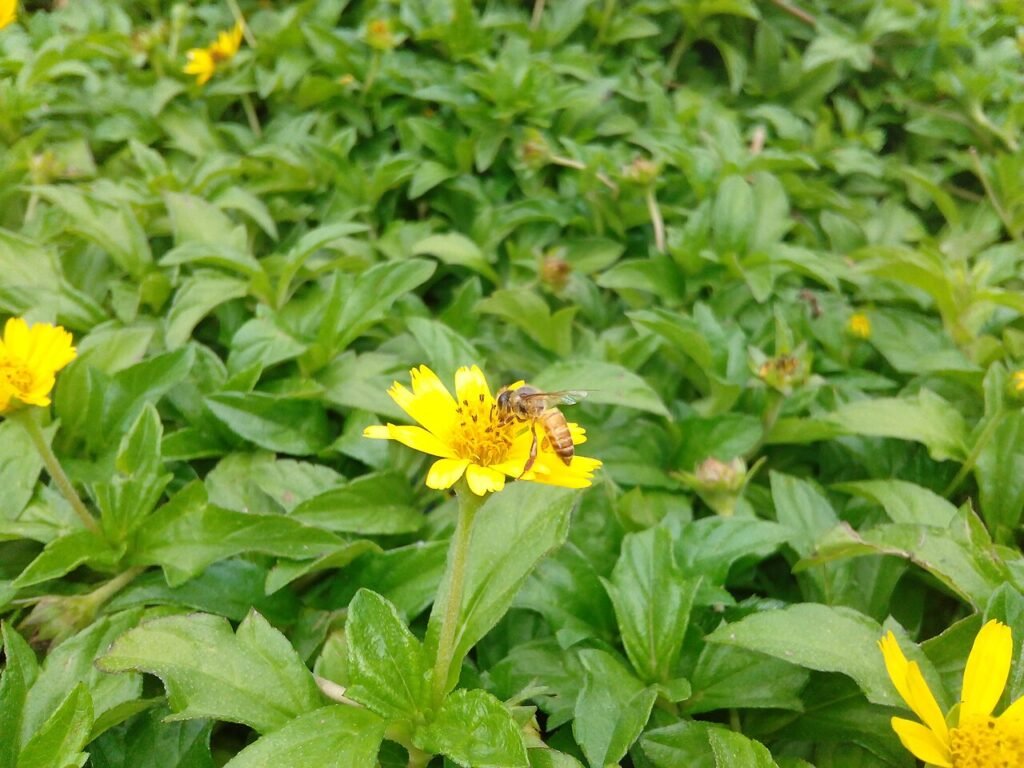
Photograph: Honeybee foraging on a flower; illustrative close-up, location unspecified. Naveen clicks / Wikimedia Commons, CC BY-SA 4.0. Image may be resized or cropped for display; illustrative, not a depiction or endorsement of a specific bookable operator. Image derivatives remain under the stated license.
