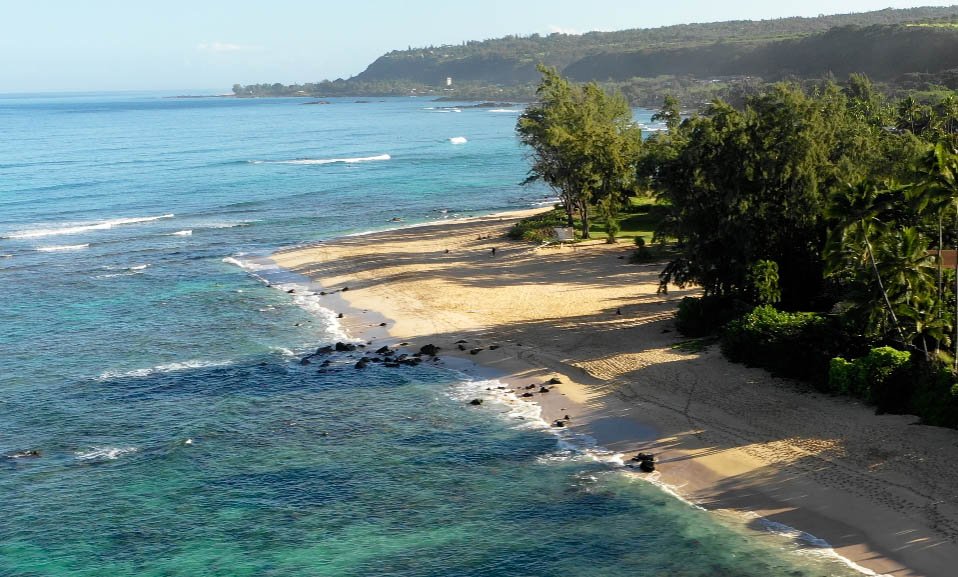
Oʻahu
Plan around Honolulu, compare three coastal bases, and decide how much you need a car.
Smithslashers · CC0 · Display crop
Start with the place
Compare the planning choices behind each destination, then open an island guide for places to stay, transport and useful next steps.
Plan around Honolulu, compare three coastal bases, and decide how much you need a car.
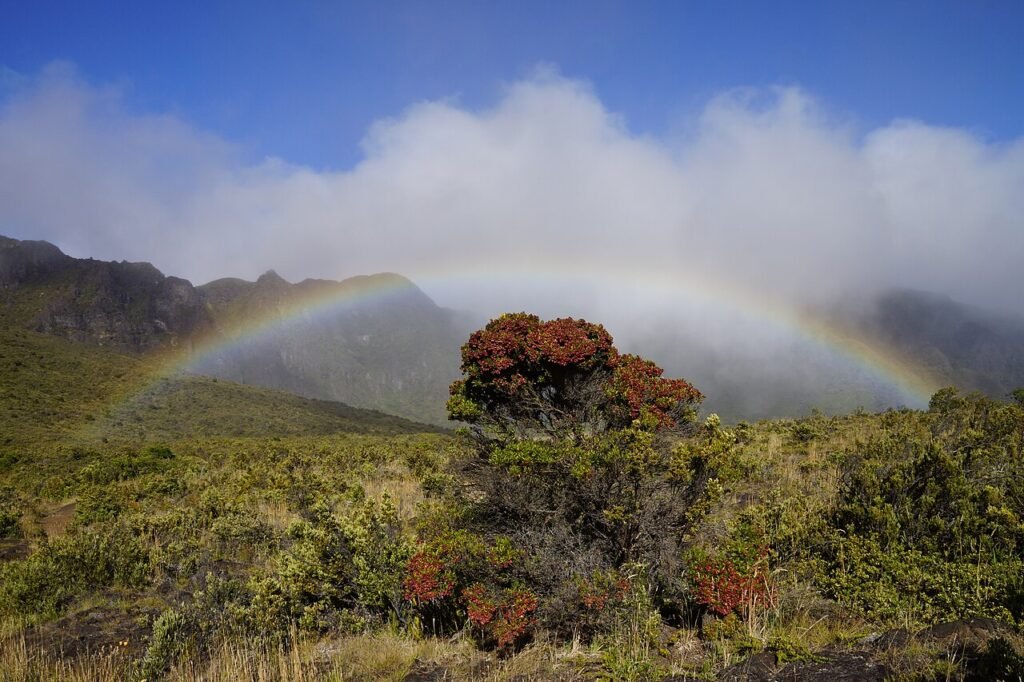
Choose South, West, Central, or East Maui, then give longer outings their own day.
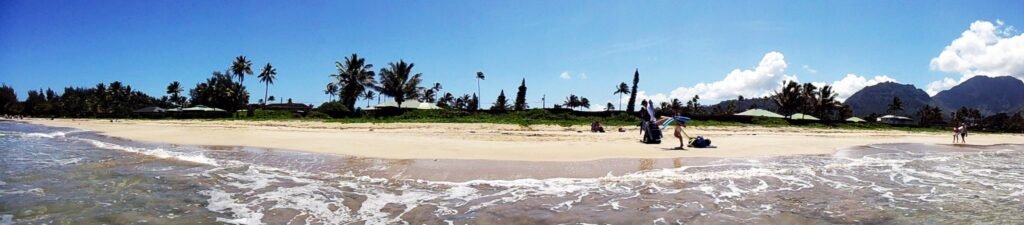
Compare north, east, and south bases, with reservations and current access built into the plan.
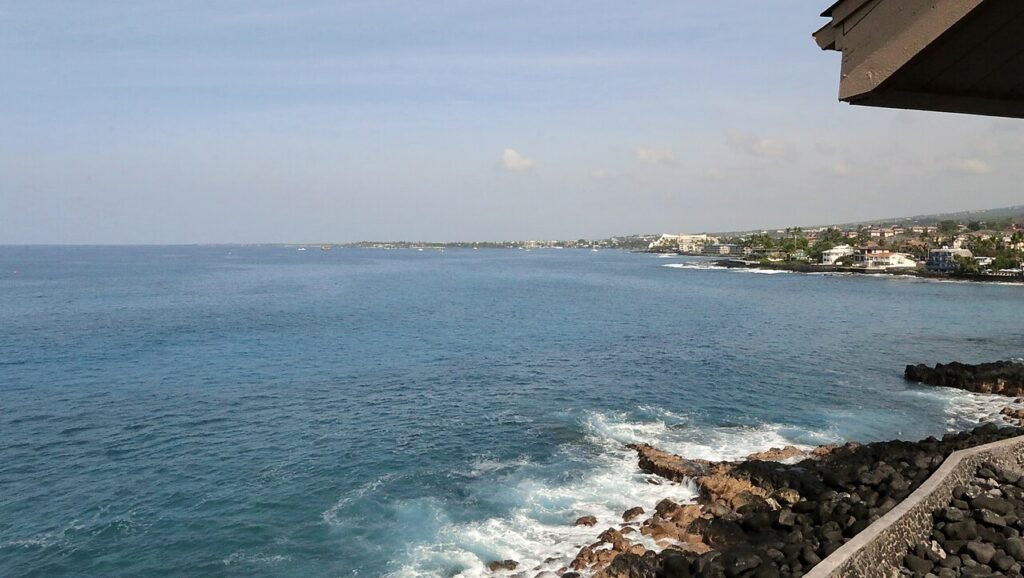
Weigh Kona, Kohala, Hilo, and Volcano; choose one base or split your stay.

Arrange transport and essentials early, then plan a few visits around your base and confirmed access.
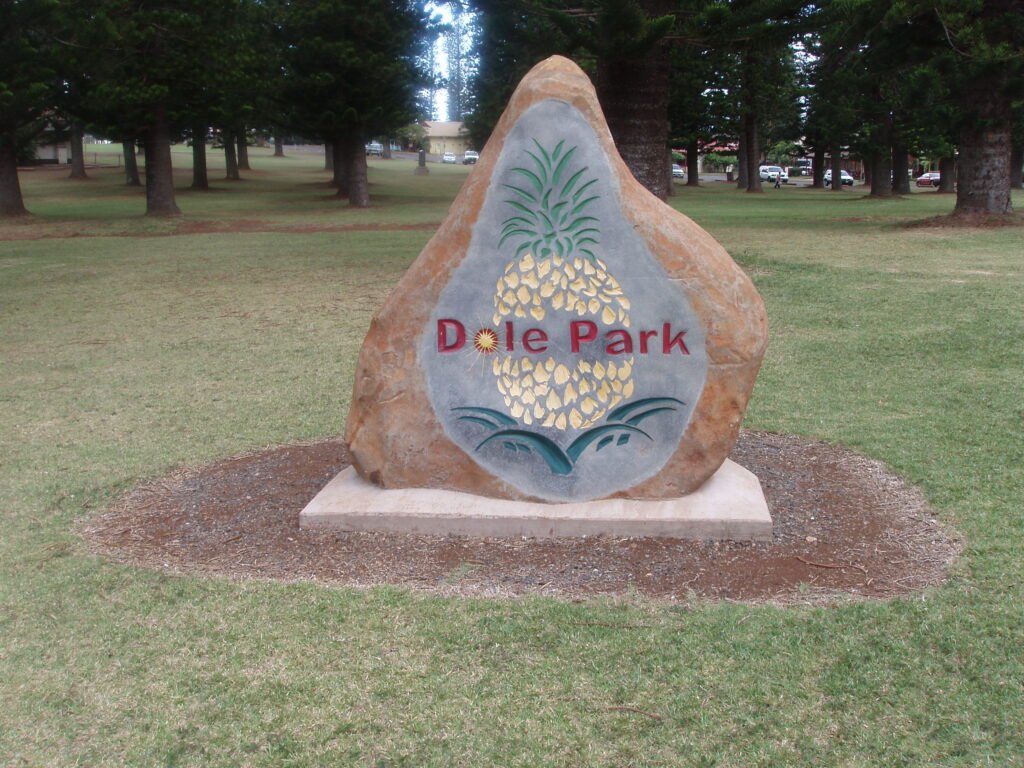
Compare a Maui day trip with an overnight stay, and plan connections to town and the coast.
Detailed stay comparisons and seven-day itineraries currently cover Oʻahu and Hawaiʻi Island. Each island has its own planning page; guides for the whole of Hawaiʻi appear in every island filter.
Work through the choice
Use your time, interests and practical arrangements to narrow the options.
Choose your island around the days you want to have: time in museums and neighborhoods, a few beach afternoons, a national park visit, or a stay with fewer scheduled outings. Then check whether the flights, accommodation and transport make that plan workable. Your travel companions’ energy, mobility and interests matter as much as the photographs that first caught your eye.
The Oʻahu planning hub connects our guides to choosing a base, getting around, planning a week, and budgeting the trip. Use the planning worksheets to compare your own dates and quotes.
Official information reviewed October 18, 2026. Use the linked sources to check current access and travel arrangements before booking.
The Hawaiʻi Island guide connects our Kona, Kohala, Hilo and Volcano base comparison with a flexible seven-day route. Start with the arrival and departure airports, then decide how much time to give each side of the island.
This comparison gives you a starting point for a shortlist. Each island name opens our planning guide, with regional choices, transport questions and links to current official access information.
| Island | Possible focus for your trip | Airport starting point | Question to settle early |
|---|---|---|---|
| Oʻahu | Honolulu’s museums and food, Waikīkī, historic sites and coastal outings. | Honolulu: HNL | Will your days stay near Honolulu, or take you across the island? |
| Maui | Beach time, Haleakalā, Upcountry towns and the distinct regions around the island. | Kahului: OGG | Which region puts you near the places you most want to visit? |
| Kauaʻi | Gardens, coastal scenery and outdoor days shaped by current access conditions. | Līhuʻe: LIH | What will you enjoy if conditions change your hiking or boat plans? |
| Hawaiʻi Island | Hawaiʻi Volcanoes National Park, Kona farms, Hilo and varied landscapes. | Kona: KOA; Hilo: ITO | Does your arrival airport fit your accommodation and route? |
| Molokaʻi | Local farms, cultural learning and Hālawa Valley visits with local guides. | Molokaʻi: MKK | Have you confirmed accommodation, transport and any hosted visits together? |
| Lānaʻi | Lānaʻi City, Hulopoʻe Bay and a stay centered on a smaller selection of activities. | Lānaʻi: LNY | How will you travel between your arrival point, lodging and planned outings? |
Start a flight comparison with an island and airport code. The table names common arrival points; the State of Hawaiʻi airport directory also includes smaller airports. On Hawaiʻi Island, compare both Kona and Hilo against the places on your list before choosing flights. A convenient fare can become a less convenient trip if it puts your arrival far from your first overnight stop.
For Molokaʻi and Lānaʻi, plan the regional connection as part of the journey. Check the airline’s current routes, baggage rules and connection arrangements. GoHawaii’s interisland travel overview explains the airport network. Lānaʻi also has a passenger ferry connection with Maui: check Expeditions’ current departure harbor and timetable, then arrange onward transport on Lānaʻi before buying tickets.
Pick a possible accommodation and map a realistic day: breakfast, one main outing, a rest and dinner. Check the complete route using the transport you would actually take. Include waiting, parking, luggage and any accessibility needs. That exercise helps you compare the full cost of a stay, including transport, with another location.
For a Honolulu or Waikīkī stay, review GoHawaii’s public transport and walking suggestions before deciding how many rental days you need. On Molokaʻi, official transport guidance recommends arranging a rental ahead. Elsewhere, ask your accommodation what is practical from its exact address; an island-wide description will not answer that question.
Our recommendation is to build a satisfying one-island plan first. Add another island when it offers something that matters to your group and you can give it time. Count packing, checkout, airport transfers, the connection and check-in as part of a travel day. Leave room for delays and rest rather than scheduling a major outing immediately after arrival.
You can also change the pace without changing islands. A few days near the activities you care about, followed by less structured time, may give you the variety you wanted.
Plan with the understanding that the roads, beaches and neighborhoods you visit are part of people’s everyday lives. Keep access clear, respect private property, follow posted closures and ask permission before photographing people or joining an activity. Choose hosted cultural experiences where the people sharing their knowledge set the terms. Leave time to listen, and accept that some places and experiences will be unavailable.
Responsible travel comes from the decisions within your trip: where you stay, how you move around, whose businesses you support and how you respond to local guidance. Keep those questions beside your budget and wish list as you compare islands.
Use Start Here to organize your decisions, compare where to stay, and work through your trip length. If Oʻahu and snorkeling make the shortlist, read our Hanauma Bay planning and etiquette guide before building a day around the preserve.


