Molokaʻi suits a visit with room for ordinary pleasures: a meal in town, time at an open public lookout, and a conversation or cultural experience that someone has chosen to share. Plan fewer stops, arrange the essentials early, and let community life set the pace. Two or three nights can give a first visit more breathing room than a hurried island hop.

Choose a visit that fits
| Your priority | A practical starting point | Confirm before booking |
|---|---|---|
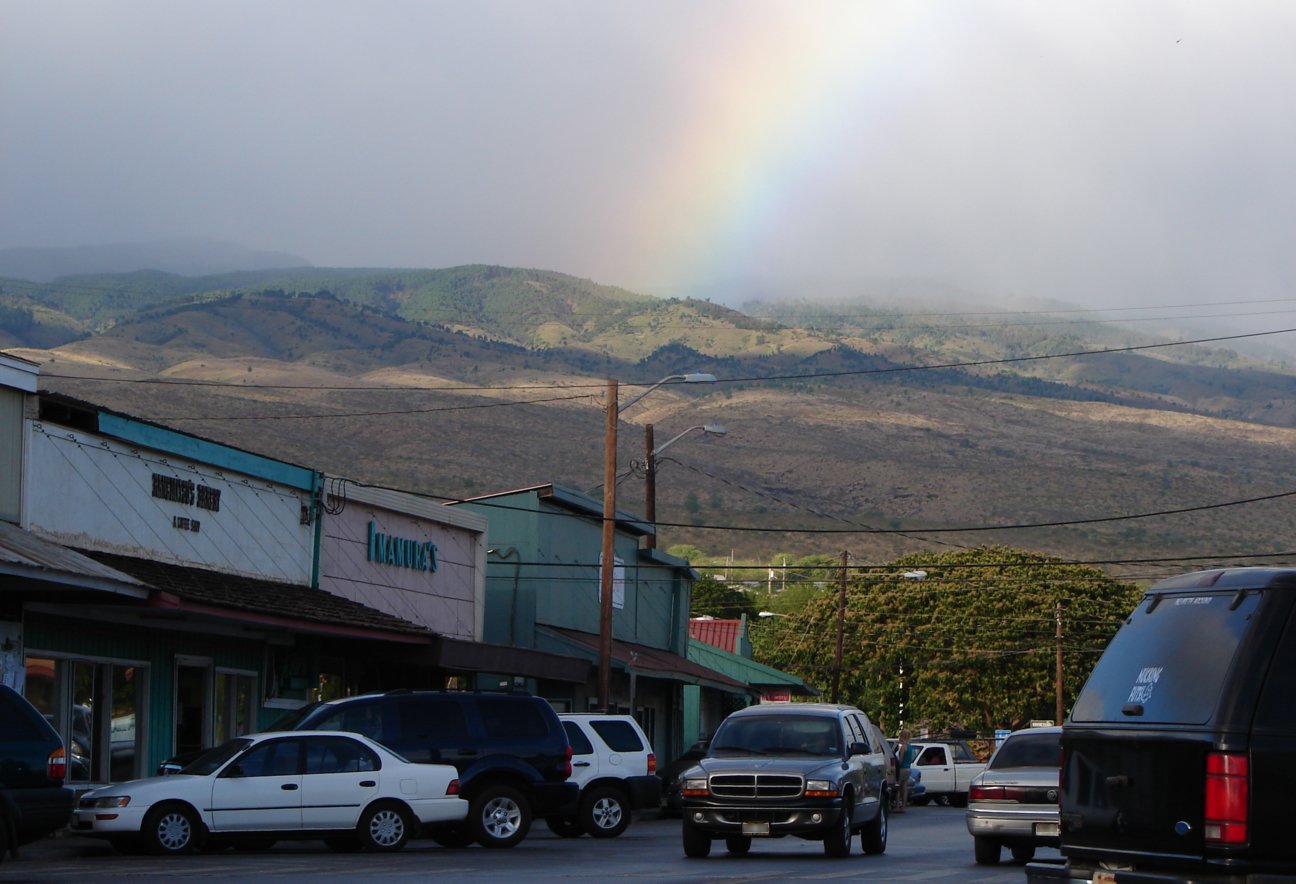
| Convenient meals and supplies | Look around Kaunakakai for your base. | Actual grocery, restaurant and check-in hours. |
| A quieter west-end stay | Compare lodging around Maunaloa and the west end. | Transport, food storage and the drives your plans require. |
| A visit without driving | Build the trip around confirmed transfers and a small area. | Every pickup and return; avoid relying on an on-demand ride. |
| A Kalaupapa visit | Keep it outside the ordinary sightseeing plan. | Current NPS access arrangements and required authorization. |
For the day-to-day logistics, see our Molokaʻi flights, car hire and lodging guide. It is especially useful for matching limited transport options to where you actually plan to stay.
Book the flight and ground transport together
Plan arrival at Molokaʻi Airport, MKK. Mokulele’s current booking site lists Hoʻolehua on Molokaʻi among its destinations; check the flight available for your actual date, baggage allowance and connection arrangements. Leave a generous connection buffer, especially when tickets are separate. A route on a map does not guarantee a convenient same-day connection.
Go Hawaiʻi’s Molokaʻi planning information identifies limited rental-car and taxi availability and lodging around Kaunakakai and Maunaloa. Secure your vehicle or transfers before committing to a room. Ask how collection works if the flight changes, which roads the rental agreement allows, and when you must return the vehicle. Use confirmed air service for the plan; do not assume a regular passenger ferry will be available.
A flexible first visit
- Arrival: collect transport, buy the food you need and settle in. Keep dinner close to your accommodation.
- First full day: spend time in Kaunakakai, then consider the public Kalaupapa overlook at Pālāʻau State Park. Check that day’s park notices before leaving. The overlook does not provide permission to descend into Kalaupapa.
- An extra day: choose one prearranged, authorized cultural or farm experience, or an easy day near your base. Ask the host about access, walking demands and weather alternatives. Avoid adding a distant stop simply to fill the afternoon.
Download directions and booking contacts before setting out. Carry drinking water, a light rain layer and the medication you need. If conditions change, shorten the day and return to your base with time to spare.
Kalaupapa: check the specific access notice
At this review, the NPS Guided Tours page says future public tours are temporarily paused while visitor access is reassessed. Do not book a Molokaʻi trip around a Kalaupapa tour until the park confirms the arrangements available for your date.
NPS access restrictions cover the settlement, Kalaupapa Trail and Waikolu Valley. Approved permits are required; an airline ticket or a trail shown on a map is not authorization. NPS permit rules also exclude visitors under 16. The Department of Health’s Kalaupapa information describes its current responsibilities and future, conditional changes to the permit system. Those future transitions should not be read as open access today. Check directly with NPS and DOH, and respect residents’ privacy. Do not enter by trail, boat or air without the required authorization.
Respect access and people’s time
Use clearly authorized public access, park without blocking driveways, and ask before photographing people or their homes. Fishponds, cultural sites and coastal land are not automatically open to visitors. The Molokaʻi visitor bureau’s access guidance identifies places requiring permission or guided access. Book a host who can explain both the place and the boundaries. Buy from local businesses when they are open, carry out your rubbish and leave natural and cultural objects where they belong.
Build the rest of your trip
Compare the Hawaiian islands, use the itinerary planning hub to allow travel time, and put real booking costs into the trip-planning downloads. The tour-booking checklist, responsible travel tips and travel guides help with the next decisions.
Reviewed October 19, 2026. Recheck official access notices and transport arrangements before travel.