Start a Kauaʻi trip by choosing where you want to spend your ordinary mornings and evenings. Then plan a few outings around that base. The north and south shores are separate day-planning areas, and current access matters as much as the map. Compare the island with other options in our island planning overview.
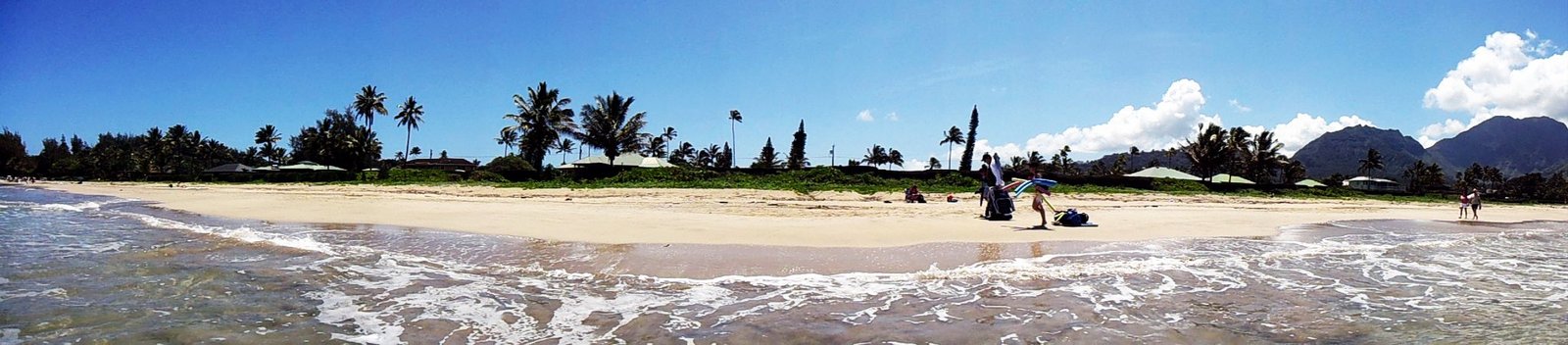

Check current access before making fixed plans
Waimea Canyon access update, November 16, 2026: Waimea Canyon and Kōkeʻe State Parks reopened November 7, and HDOT lists Kōkeʻe Road open to all traffic from November 9. Some trails and camping remain restricted. Use our current canyon access guide for the distinction between a lookout drive and a hike. Check Hāʻena and Kalalau separately through DLNR’s access guidance; a canyon reopening does not establish access elsewhere. The Wailua River guide covers that separate trip, and DLNR’s latest park notices remain essential before travel.
This does not mean the whole island is closed. Current Hawaiʻi Tourism Authority guidance welcomes visitors and reports most accommodations and businesses operating, while noting that some services remain limited. Confirm your accommodation and any booked activity directly.
Choose a base that fits your daily routine
The official Kauaʻi travel overview identifies the main accommodation areas. Use those areas to narrow the search, then compare the actual address:
- Poʻipū and Kōloa, South Shore: consider this area when you want to concentrate on the south coast and nearby towns. Compare walking access to food, parking costs and the distance to any confirmed outing.
- Kapaʻa and Wailua, East Side: compare these when you want an eastern base with outings in more than one direction. Check the property’s road access and surroundings rather than assuming every address is equally convenient.
- Līhuʻe: a practical area to consider for airport arrangements and town amenities. Compare it with coastal bases using the kind of evenings you want, as well as the room rate.
- Princeville and Hanalei, North Shore: consider a northern base when that region is your priority. Plan southern or western visits separately, and confirm current road and activity access.
Our where-to-stay planning guide helps you compare location, transport and total cost together.
For a closer comparison, read where to stay on Kauaʻi. Our Hāʻena reservation and day-hike guide helps you choose entry, parking, or shuttle arrangements and understand the current trail limits.
Allow enough time without filling every day
For an initial plan, consider five to seven nights in one base, with two or three priority outings and time close to your accommodation. This is an editorial pacing suggestion, not a minimum stay. If you have only three or four nights, narrow the area you cover. Split stays make more sense when the benefit of changing location outweighs packing and check-in time.
Build a flexible sequence using our itinerary planning guide. Choose one region for a day, keep meals near that route and leave a low-commitment alternative for changing conditions. Do not build a fixed itinerary around a park that is currently closed.
Our seven-day Kauaʻi itinerary puts that approach into a week from one Kapaʻa or Wailua base, with current access checks, separate regional outings, and room to move a day when conditions change.
Before paying for transport, compare a full rental, selected driving days, and current bus service in our Kauaʻi rental-car guide. Then use the Kauaʻi trip-budget guide to combine the accommodation, transport, Hāʻena, food, and activity costs into one plan.
Plan transport before committing to a hotel
Kauaʻi’s main roads do not form a complete coastal driving loop: there is no through-road across the Nāpali Coast. The official transport overview explains the road layout and available options. Plan out-and-back journeys rather than assuming you can continue around the island.
For a trip with less driving, confirm airport transfers, walks to daily essentials, and the return journey from each outing. Use the transport options linked by Go Hawaii to compare buses, shuttles and other services. A rental car can help with dispersed plans, but check parking and the full rental cost. Ask a tour operator about pickup, accessibility and cancellation terms using our tour-booking questions.
Keep reservations and backcountry permits separate
For Hāʻena day use, nonresidents need advance reservations. Choose the right combination of entry, parking or shuttle through the DLNR park page. The official partner’s Go Hāʻena instructions explain that shuttle tickets require arrival on that shuttle; an entry ticket alone does not supply parking. Check its current service and park-condition notices before paying.
A day-entry ticket is not a backcountry permit. For future travel beyond Hanakāpīʻai along the Kalalau Trail, read DLNR’s separate permit and overnight-parking requirements. Check the current status for your exact route; a reservation never authorizes entry into a closed area.
Make room for everyday Kauaʻi
Leave time for open local shops, a meal near your base or a cultural activity whose host confirms availability. Ask before photographing people or entering cultural spaces, and respect signs and private property. Our responsible-travel guide and packing guide cover useful habits without a long shopping list.
Use Hawaiʻi Ocean Safety to choose lifeguarded swimming locations and understand warning signs. An open park or a calm-looking bay does not establish safe swimming conditions. Keep a shore-based alternative available.
Your next decisions
| Decision | Useful next step |
|---|---|
| Choose a base | Compare your daily routine, transport and cancellation flexibility. |
| Check a priority outing | Read current land-manager notices before purchasing reservations. |
| Compare complete costs | Use our hotel and trip-budget downloads. |
| Build a flexible plan | Keep a spare day and use the travel guide library. |
Choose a major North Shore or Nā Pali experience carefully
For the coast itself, our Nā Pali Coast comparison explains the differences between boat, day hiking, and helicopter viewing while applying the current storm-recovery limits. For a shorter North Shore wildlife stop, the Kīlauea Point reservation guide covers entry, the 45-minute ticket window, lighthouse access, and seabird viewing.
Sources and review
Sources checked October 19, 2026 (UTC), including current DLNR park pages and the October 13 storm-recovery notice. Official sources are linked beside the relevant advice. Recheck temporary closures before travel; the suggested pace and base tradeoffs are editorial guidance.
More Kauaʻi guides for beaches, gardens, and current access
- Poʻipū Beach Park: family facilities, snorkeling, monk seals, turtles, and same-day ocean conditions.
- Lydgate Beach Park: protected ponds, beginner snorkeling, playgrounds, and family planning.
- Limahuli Garden & Preserve: 30-day reservations, stairs, cultural interpretation, parking, and shuttle options.
- Allerton or McBryde?: compare guided design history with self-guided conservation-focused plant collections.
- Waimea Canyon current access: read the latest post-storm reopening status before driving west.
Latest Kauaʻi guides added October 30, 2026
- Hanalei Bay current access: late-2026 recovery context, parking pressure, ocean conditions, and respectful North Shore planning.
- Wailua Falls: use the roadside viewpoint and understand why unofficial routes down the valley are not part of the plan.
- Spouting Horn: blowhole viewing, safe shoreline behavior, parking, sunset, and seasonal whale context.
- ʻAnini Beach Park: reef-protected-water context, currents, camping maintenance closures, and daily county ocean checks.
- Līhuʻe Airport transportation: compare taxi guide fares, shuttles, county bus, and rental-car planning for Poʻipū and Princeville.