Hawaiʻi Island, often called the Big Island, rewards a plan built around a few clear priorities. Decide how much of your visit belongs on the west coast, how much belongs around Hilo, and whether Hawaiʻi Volcanoes National Park needs one day or several. That choice helps you select accommodation, airports, and a route with time to enjoy each place.
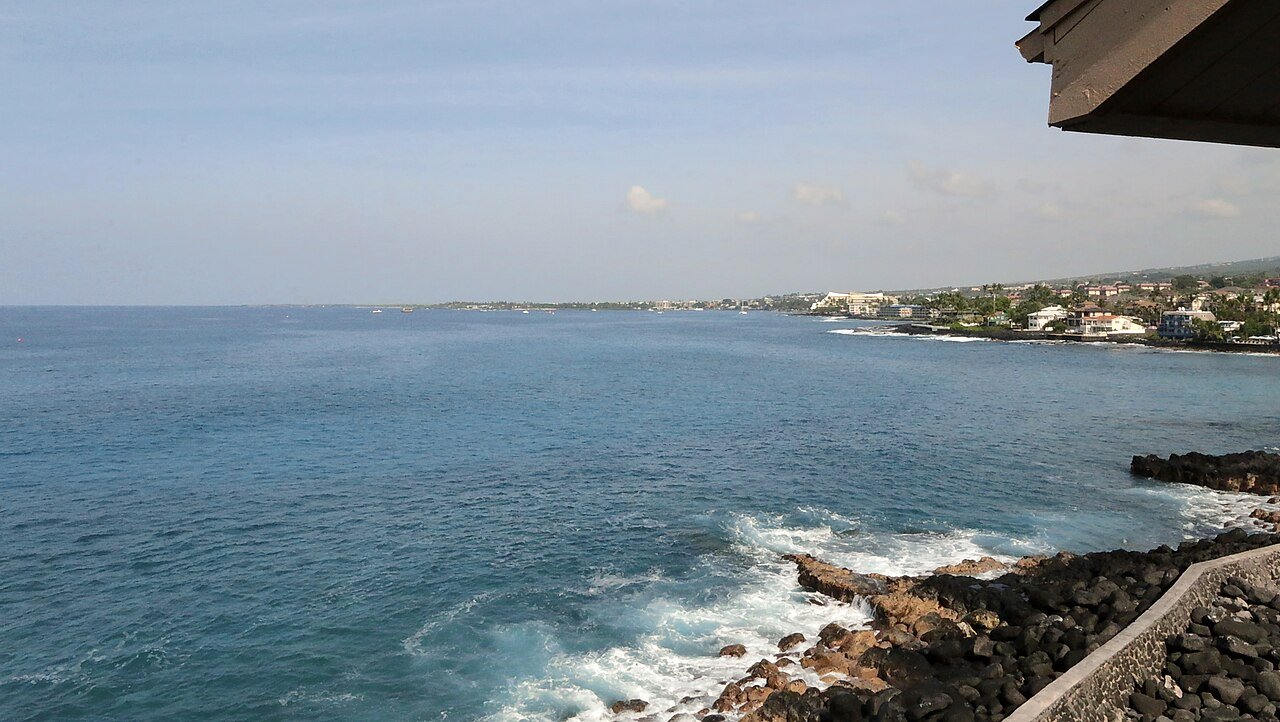

Start with our Kona, Kohala, Hilo, and Volcano accommodation comparison, then adapt the flexible seven-day Hawaiʻi Island itinerary. These guides work together: choose a base for the outings you care about, then check that the daily plan fits.
Next, compare transport with our Hawaiʻi Island rental-car guide and put the complete costs into the Hawaiʻi Island budget guide. For specific outings, use our Maunakea stargazing guide and Kealakekua Bay permit and snorkeling guide.
Choose your part of the island
| Area | Planning focus | Question to ask before booking |
|---|---|---|
| Kona | West-side town time and a mix of coastal and cultural outings | Is the actual address close to the meals and activities you want? |
| Kohala coast | A coastal resort stay with room for beach or history days | Will you spend enough time at the property to justify its complete cost? |
| Hilo | An east-side town base with gardens and other outings | Does a varied eastern itinerary matter more than repeated park visits? |
| Volcano | Time centered on Hawaiʻi Volcanoes National Park | Have you checked room facilities, evening food, and arrival arrangements? |
The official tourism guides explain the broader Kona, Kohala, and Hilo regions. Remember that a regional label covers more than one neighborhood: coastal Kohala, upland Waimea, and North Kohala are different location choices. Compare the map pin as well as the accommodation description.
One base or two?
For seven calendar days and six nights, three nights in Kona or on the Kohala coast followed by three in Hilo or Volcano is a useful starting point. Keep the change of accommodation mostly a transfer day. Choose one eastern base rather than adding another move automatically.
A single base can be the better fit for a focused resort stay or a trip mainly about the national park. Reduce the number of far-flung outings to match that choice. A plan with one main priority each day is easier to adapt when weather, access, or your energy changes.
Match flights and transport to the route
KOA serves the Kona side, while ITO serves Hilo on the east side. Compare flying into one and out of the other against a return flight from the same airport. Price the rental-car arrangement at the same time, including any different-location return charge and the relevant office hours.
The suggested itinerary assumes a rental car or transport arranged for each outing. If you prefer not to drive, confirm the exact pickup, return, and airport connections before booking activities. Check HDOT road notices and leave a generous departure-day margin; avoid planning from a single optimistic driving estimate.
Check park access before choosing the day
At our October 19, 2026 review, Kīlauea Visitor Center is under renovation, with a temporary Welcome Center at Kilauea Military Camp. Start with current national park conditions for closures, air-quality guidance, and changing access. Build a visit around the park itself without depending on visible lava.
Plan the details with our one-day Hawaiʻi Volcanoes National Park guide. Choose between shorter summit walks and a longer hike, then decide whether Chain of Craters Road fits your group and return journey.
State park access also needs a fresh check. DLNR’s October 13 notice reports a partial trail closure at ʻAkaka Falls; the normal paved loop has steps and is not wheelchair accessible. Confirm the route that is open and whether it suits your group before making the journey.
Build the rest of your plan
- Compare activities using our tour and activity selection guide.
- Prepare for different conditions with the Hawaiʻi packing guide and free planning resources.
- Use the Responsible Travel guide to plan considerate visits to communities, cultural sites, and natural areas.
- Compare other Hawaiian islands, browse itineraries and places to stay, or return to all planning guides.
Add focused west- and south-side experiences
- Kona manta ray night snorkeling: choose a tour around ocean ability, in-water support, operator logistics, and current ray protections.
- Puʻuhonua o Hōnaunau: plan a culturally respectful South Kona visit with current fees, hours, and Royal Grounds rules.
- Punaluʻu Black Sand Beach: understand turtle viewing, swimming limitations, facilities, and why the black sand stays on the beach.
Sources and access information reviewed October 19, 2026. The accommodation and route comparisons are editorial planning guidance; follow the linked official sources for current access.
More Hawaiʻi Island guides by region
- Hāpuna Beach: current fees, lifeguards, high-surf cautions, and late-2026 facility notices.
- Rainbow Falls and Boiling Pots: combine two Hilo viewpoints without treating the Wailuku River as a swimming hole.
- Waipiʻo Valley current access: understand the overlook, road restrictions, and legal tour options.
- Kona coffee farm tours: compare complimentary tastings, paid experiences, reservations, and walking.
- Hawaiʻi Tropical Bioreserve & Garden: current admission, steep boardwalk limitations, waterfalls, and Onomea Valley.
- Kīlauea Iki Trail and ʻAkaka Falls for two very different east-side walking experiences.
Latest Hawaiʻi Island guides added October 30, 2026
- Kahaluʻu Beach Park: snorkeling, coral-spawning closures, regular maintenance, reef etiquette, and same-day conditions.
- Laʻaloa / Magic Sands: disappearing sand, shorebreak, parking, lifeguards, and realistic Kona swimming expectations.
- Chain of Craters Road: the 18.7-mile one-way route, realistic stop time, coastal heat, water, and current access.
- Nāhuku lava tube: limited parking, lighting hours, the 2026 bridge, and how to combine the visit with Kīlauea Iki.
- Kona or Hilo airport?: choose the arrival airport around your base, rental-car logistics, split stay, and actual flight options.
Detailed park trails, wildlife and cultural guides
Explore these additional site-specific guides to plan realistic walks, understand official access limits, and visit sensitive landscapes thoughtfully.
- Puʻuloa Petroglyphs Trail: Lava-trail terrain and respectful viewing of sacred petroglyphs.
- Haʻakulamanu Sulphur Banks: Sulphur Banks bridge closed; west-side boardwalk open near Steam Vents. Review volcanic gas precautions.
- Kīpukapuaulu Bird Park: Trail currently closed due to hazardous trees; use the linked guide and NPS alerts to check for reopening.
- Puʻukoholā Heiau Historic Site: Cultural interpretation and visitor-center planning.
- Devastation Trail: One-mile paved walk through the 1959 eruption landscape.
- Kahuku Unit planning: Limited operating days, Upper Kahuku Road storm closure, and trail selection.
- Kamakapaʻa Trail: Short meadow hike in Kahuku.
- Palm Trail: Longer Kahuku pasture and lava loop.
- Puʻu o Lokuana Trail: Choose between steep short and longer historic routes.
- Kaloko-Honokōhau National Historical Park: Choose the right entrance, fishpond, wildlife outing or cultural walk; includes current parking and gate hours.
- Kaloko Fishpond by Car: Rough road, gate hours, and cultural-site access.
- Honokōhau Beach Honu Viewing: Two beach access routes and protected turtle etiquette.
- ʻAimakapā Fishpond: Native wetland birdwatching and low-impact visiting.