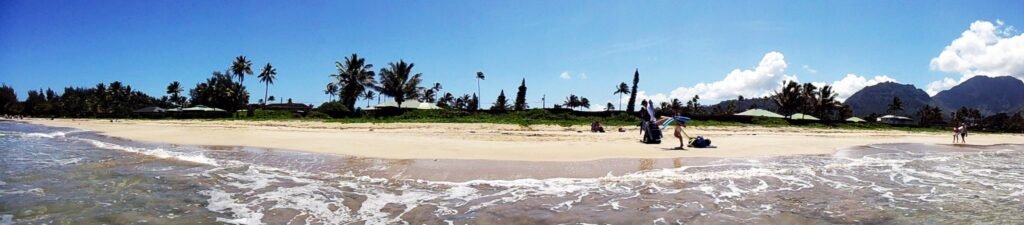
Camping in Hawaiʻi is not a matter of pulling off beside a beach and sleeping in your vehicle. Public campgrounds are managed by different agencies, permits are required in many locations, and rules vary by island and land manager.
Start with the agency that manages the campground, reserve the exact site legally, and check current closures immediately before the trip.
Hawaiʻi State Parks requires permits
The Division of State Parks allows camping and lodging reservations at designated sites. State Park permits can generally be reserved up to one year in advance, with important exceptions: Oʻahu state parks and Kīholo State Park Reserve use much shorter advance windows.
As of 2026, State Parks is transitioning camping reservations to the Explore Outdoor Hawaiʻi system for applicable dates and parks. Use the current DLNR page rather than an old booking link.
Current state-park camping fees
DLNR currently lists standard state-park tent camping at $30 per campsite per night for nonresidents for up to 10 people, with separate pricing for Nāpali Coast wilderness camping and cabin/shelter products. Fees can change and are only one part of the trip; service charges and cancellation rules also apply.
Vehicle camping is not generally allowed in State Parks
DLNR’s State Parks brochure says camping in vehicles—including campers, vans, and trailers—is generally prohibited in State Parks, with a limited camper-van exception at Waiʻānapanapa State Park. Temporary suspension (checked November 2, 2026): DLNR says all camper-van camping reservations at Waiʻānapanapa are unavailable from July 1, 2026 through March 2027 during construction of a new comfort station. This concerns overnight camper-van camping and does not by itself suspend ordinary day-use visits, which require separate entry and parking arrangements. Do not assume renting a van entitles you to sleep anywhere. Check the current Hawaiʻi DLNR Important Park Notices before making plans.
Kauaʻi currently requires extra caution
As of the October 31, 2026 DLNR State Parks recovery notice, all Kauaʻi State Park camping remains closed following hurricane impacts, even though Waimea Canyon Lookout and Hāʻena State Park have limited day-use reopening notices. A general campground or reservation listing does not override current incident-specific closures. Confirm directly with the land manager before relying on an overnight booking.
Hawaiʻi Island camping is also affected by recovery work
DLNR’s current recovery notice says camping and cabins at Hāpuna Beach State Recreation Area, Kīholo State Park Reserve, and Kalōpā State Recreation Area remain closed while some day-use areas are open. Do not rely on the existence of a campground page as proof that overnight use is currently available.
Forestry campgrounds use a different system
Hawaiʻi DLNR Division of Forestry and Wildlife also manages campsites in forest reserves and wilderness areas through its outdoor recreation program. These are not interchangeable with State Parks permits. Use the specific page for the forest or trail system you plan to enter.
County campgrounds have separate rules
County parks on Oʻahu, Kauaʻi, Maui, and Hawaiʻi Island can have their own permit calendars, closed days, residency categories, quiet hours, and equipment rules. A State Parks permit does not cover a county park.
Cabins and shelters can reduce the gear burden
Some state recreation areas offer cabins or simple A-frame shelters. They are not hotels: bedding, linens, towels, kitchen equipment, and electricity vary. Read the facility description carefully before booking airfare around a cabin stay.
Camping responsibly in Hawaiʻi
- Use only legal designated campsites.
- Pack out trash and food waste.
- Keep food secured from animals.
- Use established trails and sanitary facilities.
- Do not move rocks, plants, wood, or cultural material.
- Clean hiking/camping gear to reduce invasive-species spread.
- Respect quiet hours and nearby communities.
Plan for weather, not just a reservation
A valid permit does not make a storm-safe trip. Check weather, flood, fire, surf, volcanic, and road conditions that apply to the campground. If the agency closes the site, follow the closure and refund instructions rather than attempting to camp nearby.
Pack for the campground’s elevation and rainfall
A coastal campsite and a cool forest cabin do not need the same sleep system. Check nighttime temperature, wind, rain exposure, insects, drinking-water availability, and cooking restrictions for the exact site. “Camping in Hawaiʻi” can mean humid beach conditions or a genuinely cool mountain night.
Keep food and gear from spreading pests
Clean tents, shoes, stakes, and cooking equipment before moving between islands or forest areas. Do not transport firewood or plant material between sites. Store food according to campground rules and take leftovers and trash with you when no disposal is provided.
Sources and review
Planning information reviewed October 25, 2026, with Waiʻānapanapa camper-van restrictions rechecked November 2, 2026, using Hawaiʻi DLNR State Parks camping/fees pages, current hurricane recovery notices, and Division of Forestry and Wildlife camping resources. Permit windows, fees, closures, and reservation platforms can change.