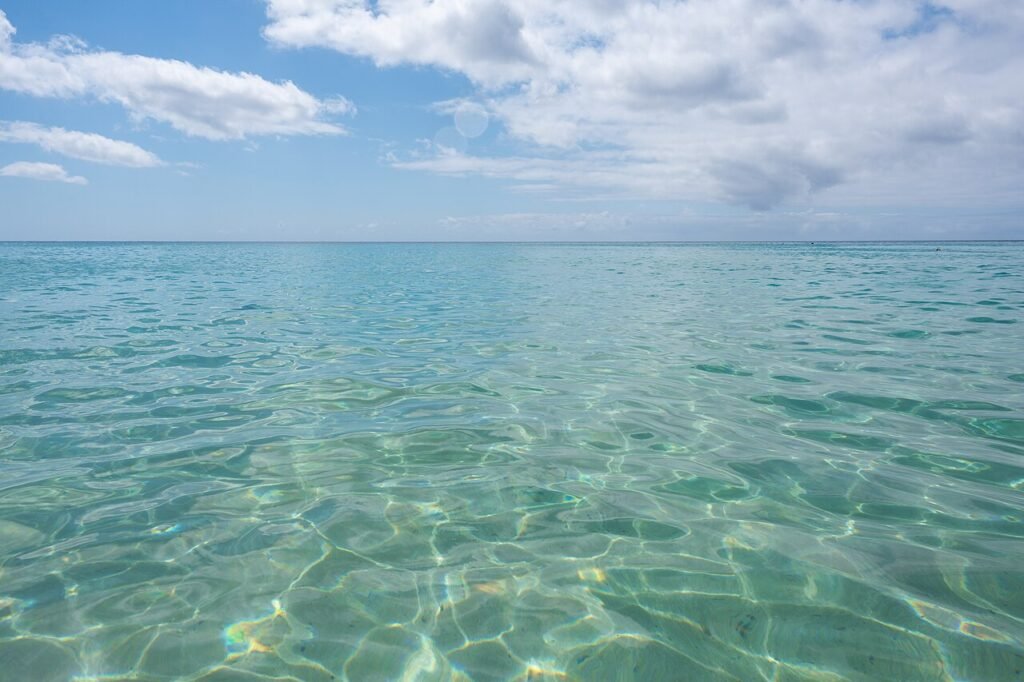
Hawaiʻi’s beaches are not controlled swimming pools. The same shoreline can look calm one morning and become unsafe after a change in swell, wind, tide, or current. Good ocean planning starts with one habit: decide whether to enter the water after you arrive, not when you build the itinerary months earlier.
The safest beach is the one that matches the day
A beach that is excellent for snorkeling in summer may have dangerous winter surf. A protected-looking cove can still have strong currents. A famous shorebreak can injure swimmers in shallow water. Conditions vary by island, shoreline orientation, and swell direction.
When possible, choose a lifeguarded beach, read posted warnings, and ask the lifeguard about conditions before entering. If a lifeguard tells you the water is not appropriate for your ability, treat that as useful local information—not as an obstacle to the day you planned.
Rip currents: what they are and what to do
Rip currents are narrow channels of water moving away from shore. They can occur at many beaches and may be difficult to identify if you are inexperienced.
If you are caught in one, the National Weather Service advises that you remain calm, do not swim directly against the current, and swim parallel to shore until you are out of the current before making your way back in. If you cannot escape, float or tread water and signal for help.
Shorebreak can be dangerous even in shallow water
Shorebreak happens when waves break directly onto the beach. It can knock a person down or drive the head, neck, or body into sand or reef. The danger is easy to underestimate because it occurs close to shore.
Never turn your back on breaking waves. Children and inexperienced swimmers should not be treated as safe simply because they are standing where the water looks shallow.
High surf warnings change the purpose of a beach visit
Large surf can turn a swimming beach into a viewing stop. In winter, north- and west-facing shores can receive substantial swell. During a high-surf advisory or warning, stay well back from exposed shoreline edges and do not stand on wet rocks, ledges, seawalls, or low points to watch waves.
If the surf is the attraction, watch from a legal, stable, elevated place. Do not walk into closed areas or assume other people near the water have judged the risk correctly.
Snorkeling adds another layer of risk
A snorkeler is face-down, breathing through equipment, and often focused on fish rather than position. That makes current, fatigue, and wave action easier to miss. First-time snorkelers should practice in controlled conditions, stay close to shore, and avoid going out alone.
Use our first-time snorkeling guide and snorkeling gear guide to choose an outing around ability rather than a photo of the reef.
A calm surface does not guarantee an easy swim
Wind, swell period, current, bottom contour, and tide all matter. Clear blue water can still have a current strong enough to exhaust a swimmer. Murky water after heavy rain can create additional concerns around runoff, debris, visibility, and stream discharge. After a downpour, check the state’s water-quality advisory for your beach before choosing an entry point.
Children need a different safety threshold
For families, choose beaches for the least capable swimmer. Keep young children within direct reach around moving water and do not rely on inflatable toys as lifesaving equipment. A flotation device does not make rough surf appropriate.
Our Hawaiʻi with kids guide recommends building the day around naps, shade, and water ability rather than forcing a famous beach into the schedule.
Know when not to enter
- A lifeguard or official warning advises against it.
- Waves are consistently knocking people down at the shoreline.
- You see a high-surf, strong-current, jellyfish, or other posted hazard notice.
- You are tired, impaired, or uncertain about your swimming ability.
- No one in your group can confidently help if conditions change.
- You arrived after heavy rain and the water is brown, full of debris, or near a flowing stream mouth.
Check the day, not just the destination
Before leaving the hotel, check the National Weather Service Honolulu forecast and current surf products. At the beach, read signs and talk to lifeguards. If the water does not suit the group, switch to a shore walk, museum, garden, scenic drive, or another protected beach.
A flexible plan is safer and often more enjoyable than treating snorkeling or swimming as something the trip must deliver on a particular day.
Sources and review
Reviewed October 25, 2026 using National Weather Service ocean-safety guidance and Hawaiʻi beach-safety resources. Surf, currents, water quality, lifeguard staffing, and closures can change quickly; use same-day official conditions and posted warnings.