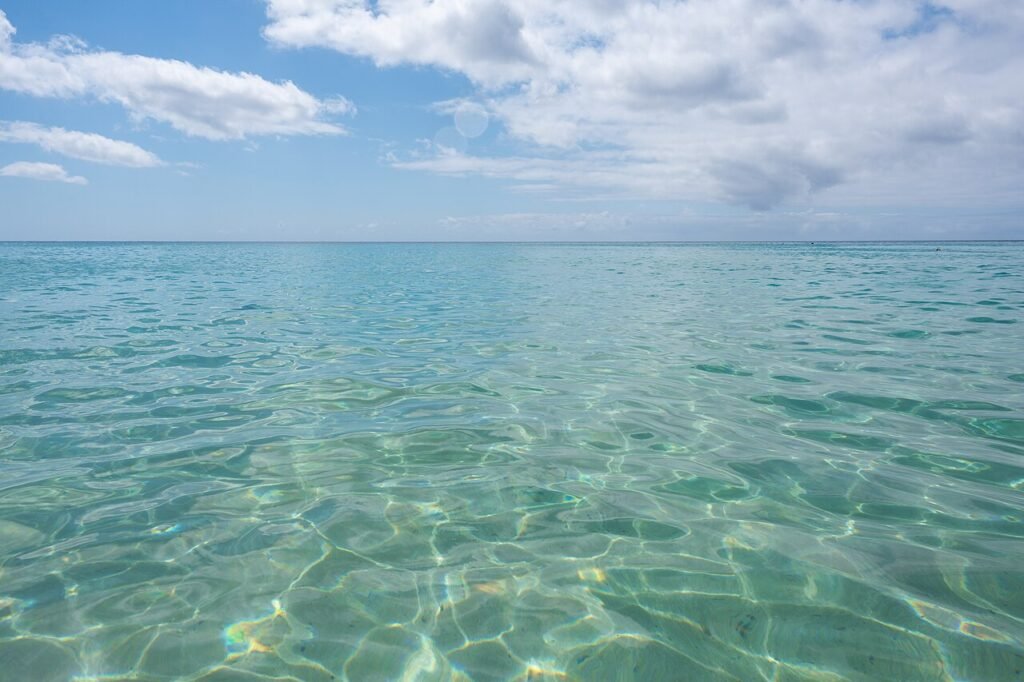
Waimea Bay can be a completely different beach depending on the season and the day’s swell. In calmer summer conditions it may work as a swimming and beach day; during winter surf season the bay can become a venue for powerful waves that are meant to be watched rather than entered.
The safest plan is to decide what Waimea is that day, not what it looked like in a photograph taken in another month.
Waimea Bay at a glance
| Plan for | What to know |
|---|---|
| Summer | Often calmer, but conditions still need a same-day check |
| Winter | North Shore swells can create very large, dangerous surf |
| Lifeguards | Current Ocean Safety listing shows daily coverage roughly 8 a.m.–6:30 p.m. |
| Facilities | Parking, picnic areas, restrooms, showers, and lifeguard services |
| Main constraint | Limited parking and rapidly changing ocean conditions |
Summer and winter are different experiences
The Hawaiʻi Tourism Authority describes Waimea Bay as generally calmer in summer and famous for giant winter waves. That seasonal pattern is useful for trip planning, but it is not a forecast.
A summer day can still have dangerous currents or surf, and a winter day can vary dramatically. Check the current beach signs and talk to the lifeguards before entering the water.
Use the lifeguard tower as part of your decision
Honolulu Ocean Safety currently lists Waimea Bay among its lifeguarded beaches, with daily coverage around 8 a.m. to 6:30 p.m. Hours can change with operational needs, so do not plan a risky swim around a timetable alone.
Our ocean-safety guide explains rip currents, shorebreak, high surf, and why “I can swim in a pool” is not the same as ocean competence.
Winter can be a watching day
When a large North Shore swell is running, staying dry is often the appropriate plan. Watch from a safe area, stay behind barriers, and do not stand at the waterline to get closer to breaking surf.
Large waves can run farther up the beach than expected. Give yourself more distance than a calm-day photograph suggests.
Parking can shape the visit
Waimea Bay’s parking area is limited relative to its popularity. Arriving early may help, but never block driveways, create your own roadside space, or stop where signs prohibit it.
If the lot is full, use your backup plan rather than circling indefinitely. Our North Shore day-trip guide is intentionally built around a small number of stops so one parking problem does not ruin the whole day.
Do not build a North Shore day around too many beaches
Waimea, Sunset Beach, ʻEhukai, Haleʻiwa, and other North Shore stops may look close on a map, but traffic, parking, food stops, changing conditions, and simple fatigue add time.
Choose one main coastal stop plus Haleʻiwa or another priority. If Waimea’s conditions do not fit your group, a shorter beach-viewing stop and a relaxed lunch can be a better day.
Wildlife still needs space
Hawaiian monk seals and sea turtles can use Oʻahu beaches. Follow barriers and directions from authorized responders, and never crowd an animal because other visitors are already close. Review our Hawaiʻi wildlife-distance guide before a beach-heavy trip.
A summer plan and a winter plan should look different
On an appropriately calm summer day, your plan may include swimming, sitting on the sand, and a longer beach stay. Even then, ask the lifeguards about the current shorebreak and current before entering.
During large winter surf, redesign the visit around watching the waves from a safe distance. Bring binoculars, stay well back from the waterline, and treat the surf itself as the attraction. Do not plan bodyboarding or swimming simply because those activities were possible during a previous trip.
What to bring for a North Shore stop
- Water and sun protection even when clouds are present.
- Footwear for hot pavement and roadside walking.
- A dry change of clothes if your day continues elsewhere.
- A backup stop that does not depend on swimming or finding the same parking space.
Keep valuables out of sight and take everything with you when you leave. The North Shore is not a reason to carry a full day of unnecessary gear in the vehicle.
Who may prefer a different beach
A nervous ocean swimmer, very young child, or traveler expecting guaranteed calm water may be happier at a more protected location on the day you visit. Waimea’s reputation is not a reason to override the conditions or the group’s comfort.
Sources and review
Reviewed October 30, 2026 using the Hawaiʻi Tourism Authority’s official Waimea Bay information and Honolulu Ocean Safety’s current lifeguarded-beach listing. Always use same-day warnings and lifeguard instructions.
Featured photograph: Waimea Bay, Oʻahu, photographed in 2023. Raita Futo / Wikimedia Commons, CC BY 2.0.