The easiest place to help protect a Hawaiʻi forest may be the bottom of your shoes. Mud caught in hiking treads, trekking-pole tips or a rental car’s floor mats can move organisms between places that would otherwise remain separated. You do not need to be an expert in forest ecology to take a useful precaution: remove the dirt before and after a walk, and follow the site’s disinfection instructions.
This guide is for visitors hiking, camping or moving between Hawaiian islands. It explains the practical cleaning sequence, why it matters to ʻōhiʻa trees, and the difference between good trail hygiene and actual plant-transport restrictions. It is not a substitute for park closures or the rules of a specific preserve.
Why clean boots matter in Hawaiʻi
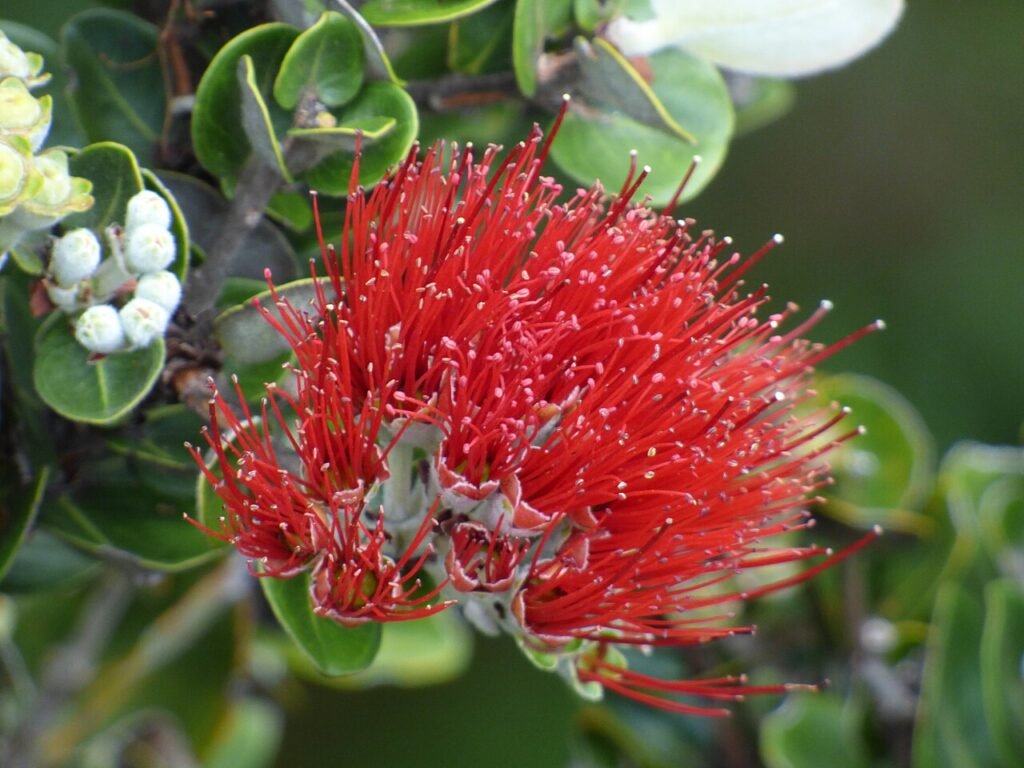
ʻŌhiʻa lehua is a native tree that supports forest habitat, watershed function and Hawaiian cultural practices. Rapid ʻŌhiʻa Death (ROD) is caused by fungal pathogens that can kill these trees. Dirt, contaminated plant material and tools are among the pathways people can help control; beetles and other environmental factors also play roles. The goal is to reduce an avoidable risk, not to suggest that every muddy boot is infected.
In a June 12, 2026 DLNR release, forestry officials described new methods for slowing ROD spread and repeated visitor guidance to clean boots, tools, clothing and vehicles. Research and professional tree treatments are important, but they do not replace ordinary prevention by people entering forests.
A practical cleaning routine before and after each forest walk
| When | What to do | Why it matters |
|---|---|---|
| Before leaving your accommodation | Inspect soles, seams and pole tips; brush out any dried soil or seed material. Start with clean gear. | Prevents carrying material from a previous outing into a new site. |
| At a forest trailhead | Use a provided boot-brush station and disinfectant as posted. Clean before entering and again when leaving. | Reduces the chance of transferring contaminated material in either direction. |
| After a muddy hike | Remove clods and debris before loading equipment into a bag or car. Clean footwear and tools fully when practical. | Keeps mud from spreading to seats, luggage, another trail or island. |
| Before an interisland flight | Reinspect boots, luggage wheels, tent stakes, trekking poles and other outdoor equipment. Do not transport collected plant material. | Every island has habitats and pest risks worth protecting. |
How to clean hiking shoes correctly
- Brush first. Use a stiff brush or an installed boot-brush station to remove visible mud from treads, sides and grooves. Do not simply spray disinfectant over a thick layer of dirt.
- Include your equipment. Clean trekking-pole tips, tent stakes, walking aids and other items that contact the ground. If trousers or socks are muddy, launder them before the next forest visit.
- Follow the local alcohol guidance. The Kauaʻi Invasive Species Committee’s bio-sanitation instructions advise spraying cleaned footwear and gear with 70% isopropyl rubbing alcohol and waiting 15 seconds. Follow posted site directions where they differ and keep alcohol away from heat and flames.
- Keep the vehicle clean. If driving on muddy authorized routes near forests, remove tracked-in mud from mats and wheel wells. Do not use a roadside stream or natural waterway as a wash station.
- Repeat the routine when moving locations. A rinse at the end of the vacation is too late to help with gear used on several different forest trails.
No boot-brush station? Carry a small, clean brush or use a brush where you are staying. Remove mud into a suitable waste container rather than scattering it at another trailhead. Clean and disinfect the gear where permitted and practical. Never enter a closed area just to reach a cleaning station.
Hiking more than one island: do not treat your boots as souvenirs
Travelers often pack the same trail shoes for Kauaʻi, Maui and Hawaiʻi Island. That is practical, but it makes cleaning between outings especially important. Check soles before packing, remove leaf litter and soil, and wash muddy clothing before the next hike. Keep dirty items separate from clean clothing until you can deal with them properly.
Leave ʻōhiʻa material in place. Do not collect flowers, leaves, twigs, seeds, firewood or soil to take to another island. Hawaiʻi’s Department of Agriculture and Biosecurity reiterated in March 2026 that quarantine rules restrict moving ʻōhiʻa plants and plant parts, and soil, off Hawaiʻi Island without an appropriate permit. Beyond that particular legal restriction, DLNR advises against transporting any ʻōhiʻa material between islands. Buying a decorative item does not mean it may legally or responsibly travel.
Three mistakes that undermine otherwise good intentions
- Cleaning only when you can see mud. Small amounts of debris can remain in tread grooves and attached gear. Inspect both soles.
- Using a brush at the wrong stage. Mechanical removal comes before the disinfection step, not after it.
- Assuming a park is safe to enter because gear is clean. Closures for flooding, storm damage or sensitive restoration areas still apply. Proper hygiene does not give anyone access to a restricted trail.
What about invasive ants and other pests?
ROD is not Hawaiʻi’s only biosecurity concern. The Department of Agriculture and Biosecurity warns that little fire ants can spread through moved plant and soil material. Visitors are unlikely to be inspecting commercial plant shipments, but they can avoid transporting loose soil, nursery plants, firewood or collected vegetation. Report suspected pest problems through the agency’s published channels instead of attempting to treat an unfamiliar infestation.
Also remember that not every introduced species is classified as invasive: the distinction depends on the harm it causes. The practical travel rule is simpler—don’t move organisms or natural materials between habitats just because they fit in a bag.
A low-waste approach without compromising hygiene
You do not need to buy a separate set of shoes for every hike. A durable cleaning brush, a reusable bag for muddy gear and normal access to laundry are usually more useful than another travel gadget. A bag that carried dirty boots needs cleaning too. Reuse supplies only when doing so does not transfer soil to the next stop.
If you are traveling with children or a larger group, make boot checks part of packing up the day: an adult can check treads and gear while everyone refills water and counts belongings. This is easier than trying to persuade tired hikers to clean everything at the airport.
Before you set out: the five-point check
- Is the trail officially open and are reservations or permits required?
- Have you cleaned shoes, poles and other ground-contact gear?
- Is there a boot-brush station or other site-specific bio-sanitation instruction?
- Do you have a place to store and clean muddy equipment afterward?
- Have you left plants, flowers, wood, rocks and soil where they belong?
Connect this habit to the rest of your trip
Our Hawaiʻi hiking gear guide explains traction and weather preparation, while the trail-safety guide covers closures and dangerous conditions. For trip-wide choices, use the low-waste packing guide, our camping and permit overview and the respectful visitor guide.
Sources and review
Reviewed November 2, 2026. Core guidance: Kauaʻi Invasive Species Committee bio-sanitation; DLNR’s June 2026 Rapid ʻŌhiʻa Death update; Hawaiʻi Department of Agriculture and Biosecurity’s 2026 ʻōhiʻa quarantine reminder; and the DLNR ʻōhiʻa lehua species profile. Check local trail signage and current agency rules before each visit.
Featured photograph: red ʻōhiʻa lehua blossoms at Kīpahulu Forest Reserve, Maui, photographed July 9, 2018 by Forest & Kim Starr / Wikimedia Commons. CC BY 3.0 US; image resized for web display.
