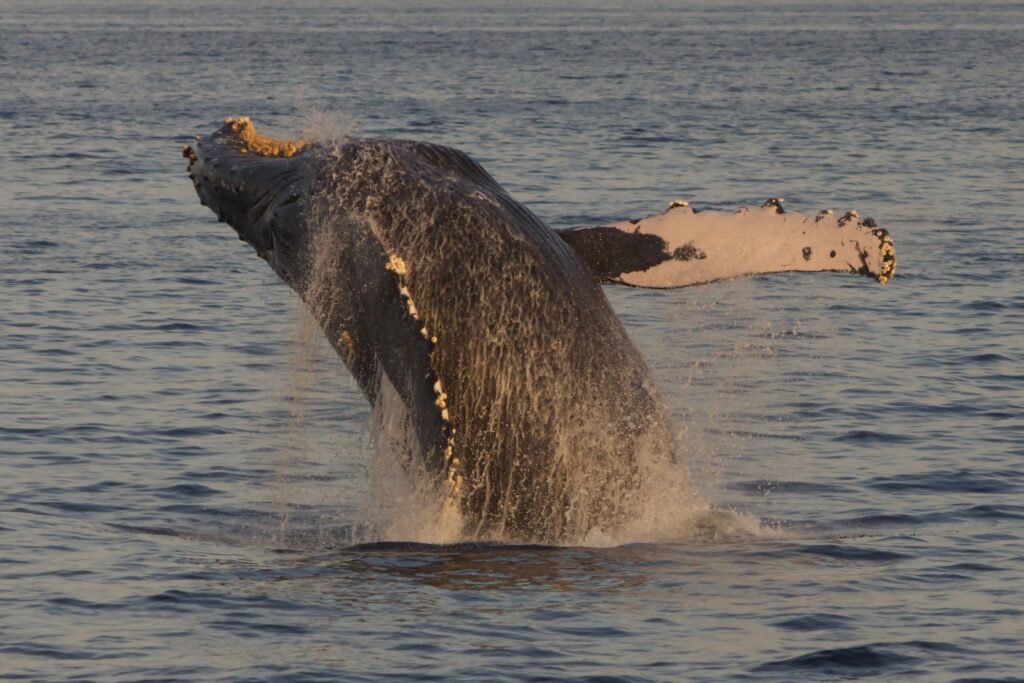
There is no single month when Hawaiʻi becomes “best.” The islands are year-round destinations, and the most useful timing decision depends on what you want to do: watch humpback whales, surf, hike, snorkel, avoid school-break crowds, or simply spend time outside.
Instead of chasing a perfect weather forecast months in advance, choose the season around the conditions that matter most to your trip.
Hawaiʻi is warm year-round, but microclimates matter
The Hawaiʻi Tourism Authority describes typical daytime temperatures around 75–85°F, with nights roughly 10 degrees cooler. It also notes the broad windward/leeward pattern: eastern windward areas are generally wetter, while western leeward areas are generally drier.
That means “Maui weather” or “Kauaʻi weather” is too broad to plan from. A wet morning on one side of an island can exist at the same time as dry conditions somewhere else.
Whale season: plan for winter and early spring
NOAA says humpback whale season in Hawaiʻi generally runs from November through May, with the usual peak in abundance from January through March. Whales may appear outside that window, but do not plan a trip around guaranteed sightings at the edges of the season.
If whales are a priority, use our statewide whale guide and Maui whale-watching guide to choose between shore viewing and a boat tour.
Winter surf can change a beach day
Winter brings the famous large surf to north-facing shores. That can make a North Shore visit spectacular for watching experienced surfers while making the same beach inappropriate for casual swimming.
Do not choose a beach from a year-round “best beaches” list. Check current advisories and lifeguard guidance on the day you go. The ocean is not a static attraction.
Summer can favor calmer north-facing water, but not every day
North-shore water is often calmer in the summer than in winter, which can expand snorkeling and swimming options. South swells can still produce rough conditions elsewhere, and wind, currents, and local weather can change quickly.
Rain should change your plan, not ruin the trip
Short showers are common in tropical climates, and rain can be very localized. More important than a generic rain icon is whether heavy rainfall creates a flash-flood, trail, road, or ocean hazard.
For hiking and Road to Hāna days, monitor official forecasts and closures. For snorkeling, check ocean conditions rather than assuming clearer skies mean safer water.
Think about crowds through the school calendar
Holiday periods, spring break, and summer family-travel windows can increase demand for lodging, rental cars, and timed attractions. That does not make those dates bad; it means you should compare total price and reservation availability earlier.
If your dates are flexible, shoulder periods can sometimes produce a calmer booking experience, but “off-season” in Hawaiʻi is not an empty season. Popular attractions can still sell out.
Choose the month by your priority
| Priority | Timing idea |
|---|---|
| Humpback whales | January–March is the strongest general window |
| Big-wave watching | Winter north-shore surf season |
| North-shore swimming/snorkeling | Often easier in summer, subject to daily conditions |
| Lower scheduling pressure | Compare non-holiday shoulder dates |
| Hiking | Any month can work; check rain, heat, closures, and daylight |
Do not schedule a trip around one forecast months ahead
Long-range weather cannot tell you what a specific beach or trail will look like on a specific morning. Build the trip with alternate days and indoor or lower-risk activities, then make ocean and trail decisions closer to real time.
Elevation can matter more than the month
A beach forecast does not describe a summit. Haleakalā and Maunakea can be dramatically colder, windier, and less forgiving than the coast on the same day. Likewise, Hawaiʻi Volcanoes National Park can be cool or wet while Kona is warm and dry. Pack and plan for the elevation of the actual outing rather than the temperature beside your hotel pool.
When should you book?
If your dates overlap a major holiday or school break, compare flights and lodging earlier and set reminders for reservation-sensitive attractions. If you are traveling in a shoulder period, you may have more room to compare, but do not delay the few experiences with fixed release windows. Our reservation timeline separates those from activities that can remain flexible.
Sources and review
Reviewed October 25, 2026 using the Hawaiʻi Tourism Authority’s statewide climate information and NOAA’s Hawaiian Islands Humpback Whale National Marine Sanctuary guidance. Weather, surf, park access, and wildlife sightings are variable; recheck conditions during the trip.