Choosing a first Hawaiian island is less about finding the “best” island and more about choosing the right travel pattern. Oʻahu, Maui, Kauaʻi, and Hawaiʻi Island all work for a first trip, but they ask different things from your time, budget, and comfort with driving.
If you start by asking what you want your ordinary day to feel like—walkable and busy, resort-centered, quiet and outdoorsy, or built around long scenic drives—the decision gets much easier.
The short answer
| Choose | It tends to fit travelers who want |
|---|---|
| Oʻahu | The easiest mix of beaches, history, food, city energy, and public transportation |
| Maui | A resort-and-road-trip vacation with Haleakalā, Hāna, snorkeling, and whale season |
| Kauaʻi | A quieter trip centered on scenery, hiking, gardens, and the North Shore |
| Hawaiʻi Island | Volcanoes, stargazing, long drives, varied landscapes, and a split-stay road trip |
Pick Oʻahu if you want the easiest first landing
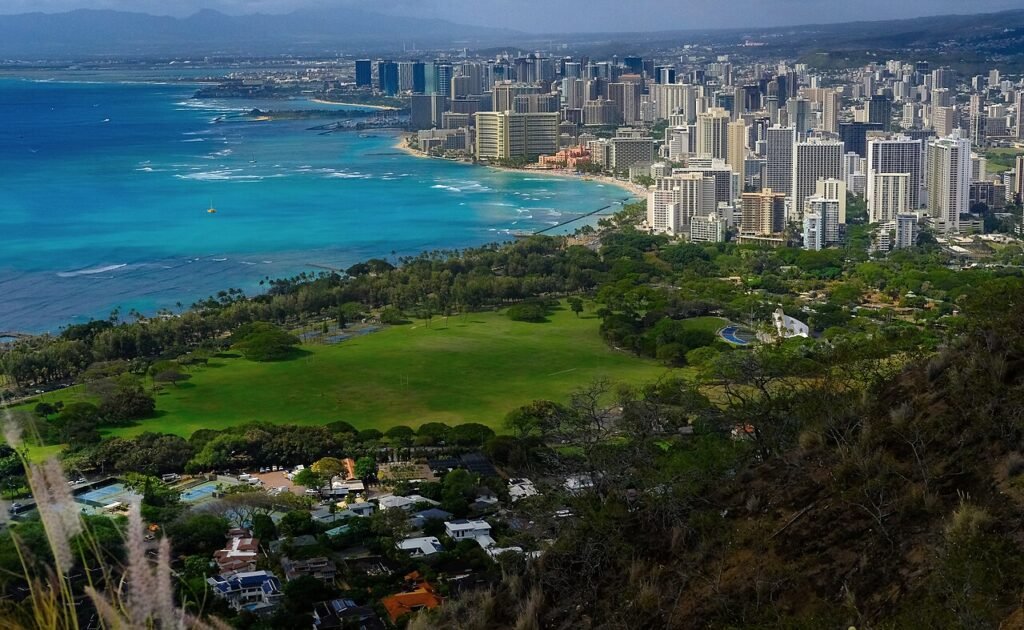
Oʻahu is the most flexible first trip for travelers who are not sure yet what they value most. You can stay in Waikīkī without a rental car for much of the trip, visit Pearl Harbor and ʻIolani Palace, hike, eat across Honolulu, spend a day on the North Shore, and still build in beach time.
That variety makes Oʻahu especially useful for families or groups with competing priorities. One person can care about history, another about surfing, another about restaurants, and another about doing very little.
The tradeoff is density. Waikīkī is urban and busy. Traffic is real, popular attractions use reservations, and travelers expecting a remote-island atmosphere may be happier elsewhere. Compare bases in our Oʻahu where-to-stay guide, then use the 7-day Oʻahu itinerary to see how the days fit together.
Pick Maui if you want a polished vacation with big outing days
Maui suits travelers who like a comfortable beach base but still want major day trips. Haleakalā, the Road to Hāna, seasonal whale watching, ʻĪao Valley, and boat trips are all strong anchors for a week.
The island works best when you resist the urge to stack those anchors back to back. A sunrise summit, a full Hāna day, and a boat excursion can each require early starts and a lot of driving or motion. Leave recovery time between them.
Maui can also be expensive once lodging, resort parking, rental cars, tours, and dining are combined. Use the Maui area comparison and Maui budget framework before committing to the resort with the lowest nightly rate.
Pick Kauaʻi if the scenery is the point of the trip
Kauaʻi works well for travelers who would rather do one meaningful outdoor outing than four attractions in a day. The island rewards slower days, early starts, and flexibility around rain, surf, reservations, and temporary access changes.
The North Shore, Nāpali Coast, gardens, small towns, beaches, and trails can fill a week without creating a checklist vacation. But Kauaʻi is not a complete coastal driving loop, and many visitors still benefit from a rental car. Reservation-sensitive places such as Hāʻena also require planning ahead.
Read the Kauaʻi base guide and Kauaʻi itinerary together. They make the island’s driving pattern much easier to understand.
Pick Hawaiʻi Island if you enjoy road trips and dramatic landscapes
Hawaiʻi Island is the strongest choice when volcanoes, lava landscapes, stargazing, ranch country, black-sand beaches, and a sense of geographic scale matter more than minimizing drive time.
The island is large enough that a split stay can be more useful than one centrally located hotel. Kona and the Kohala Coast work well for many west-side activities, while Hilo or Volcano can make park and east-side days easier. Our Hawaiʻi Island lodging guide explains that tradeoff.
This is also the island where “we can just drive over there” can quietly consume half a day. Build routes around geography, not a list of attractions.
What if you do not want to rent a car?
Oʻahu is usually the simplest of the four for a first trip without a car because Honolulu and Waikīkī have extensive bus service, airport connections, rideshare availability, and many tour pickups. The other islands can still work with a no-car or partial-car plan, but the compromises increase.
Use our island-specific transport guides for Oʻahu, Maui, Kauaʻi, and Hawaiʻi Island before assuming a rental is mandatory for every day.
A simple decision test
- If you want the broadest mix and easiest no-car option, start with Oʻahu.
- If you picture a resort stay plus a few major excursions, start with Maui.
- If hiking, scenery, gardens, and a quieter pace matter most, start with Kauaʻi.
- If volcanoes, stargazing, and long scenic drives excite you, start with Hawaiʻi Island.
Do not choose by a “best beaches” ranking alone
Beach conditions change by season, swell direction, wind, and day. A beautiful beach in a search result may not be the best swimming choice during your dates. Likewise, a famous attraction is not useful if reaching it forces you to redesign the whole trip.
Choose the island first from the pace and logistics you want. Then build around two or three priorities, check current access, and leave room for weather and ocean conditions.
Sources and review
Reviewed October 25, 2026. Island characteristics and interisland planning were checked against the Hawaiʻi Tourism Authority’s official island overview and current transport information. Reservation, road, park, and ocean conditions can change; verify time-sensitive details before travel.