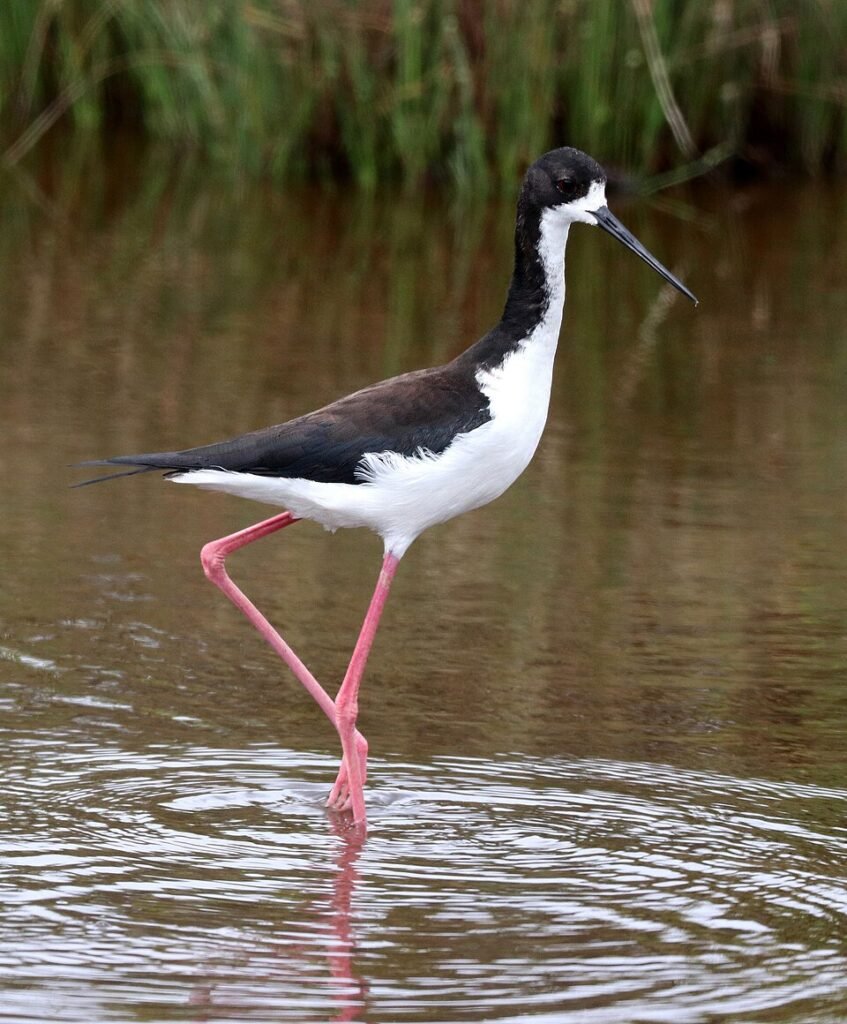
Hawaiʻi birdwatching can be a quiet hour at a wetland overlook, an early-morning forest walk, or a reserved visit to a coastal seabird refuge. The best place is not necessarily the one with the longest species list: choose a viewing area that welcomes visitors, fits your group’s mobility and time, and protects the birds’ feeding and nesting space.
This guide compares four different types of birding outing across Oʻahu, Maui, Kauaʻi, and Hawaiʻi Island. It is a place-and-access guide, not a promise of sightings. Wildlife, operating hours, and storm-related access change. Check each land manager’s official page before leaving your accommodation.
Choose the experience before the island
| If you want… | Start with… | Why it fits | Reservation or access caveat |
|---|---|---|---|
| An easy wetland outing on Maui | Keālia Pond National Wildlife Refuge | Boardwalk and separate refuge visitor-center access; endangered waterbirds and seasonal migrants | Different entrances and hours; check the exact part you plan to visit |
| Seabirds and an ocean-cliff viewpoint on Kauaʻi | Kīlauea Point National Wildlife Refuge | Elevated coastal lookout with red-footed boobies and other nesting seabirds | Adult reservations required; limited open days and arrival cutoff |
| A Kona-coast wetland with cultural history | ʻAimakapā at Kaloko-Honokōhau | Protected habitat for stilts, coots, and winter migrants | View from permitted routes; don’t enter the wetland |
| An Oʻahu bird-focused guided experience | James Campbell NWR | Seasonal guided tours in sensitive wetland habitat | Refuge generally closed to unsupervised entry; confirm current tour dates |
| Native forest birds rather than shorebirds | Hawaiʻi Volcanoes National Park | High-elevation forests with honeycreepers and nēnē | Trail and road closures can change; never enter closed routes |
A wetland visit and a forest-bird walk are different experiences. The aeʻo (Hawaiian stilt) and ʻalae keʻokeʻo (Hawaiian coot) use wetlands, while native honeycreepers are associated with forest habitat. Migratory shorebirds and waterfowl add seasonal variety. Choosing habitat first is often more useful than picking a species from a glossy photograph.
Maui: Keālia Pond for a short, low-pressure outing
Keālia Pond sits between Kīhei and Māʻalaea. The U.S. Fish and Wildlife Service describes endangered aeʻo and ʻalae keʻokeʻo in the refuge, along with migrants that become particularly interesting from roughly August through April. This is a practical choice if you want a quiet wildlife stop without committing to a steep hike.
Do not confuse the coastal boardwalk off North Kīhei Road with the visitor center and inland refuge access off Maui Veterans Highway. They have different parking areas and operating schedules. The boardwalk has a small lot; the visitor center offers exhibits when staffed. The agency’s official visitor page gives the current hours and any trail changes. Arrive with binoculars, a hat, and water; leave time for watching rather than rushing from one bird to the next.
For a decision about which entrance fits your schedule, use our detailed Keālia Pond entrance and boardwalk guide. FWS prohibits pets, drones, wildlife handling, and non-wildlife recreational activities inside the refuge. A stroller- or wheelchair-friendly description of one path should not be applied to every levee or surface.
Kauaʻi: Kīlauea Point for seabirds, not a spontaneous stop
Kīlauea Point National Wildlife Refuge offers dramatic coastal views and an established viewing area for seabirds, including red-footed boobies. It is different from the island’s forest birding: expect wind and open coastline, and bring binoculars to watch birds at a distance instead of trying to approach nesting areas.
FWS currently lists Wednesday–Saturday, 10 a.m.–4 p.m., with arrival before 3:30 p.m. Adult visitors aged 16 and older require an advance reservation via Recreation.gov, including an appropriate passholder selection where applicable. Check the agency’s calendar for holiday and closure exceptions and confirm the admission arrangements for everyone in your party. Do not drive to the gate expecting walk-in availability.
Kauaʻi’s storm-related closures have changed frequently during fall 2026. Keep this Kīlauea Point visit separate from assumptions about Hāʻena, the Kalalau Trail, Waimea Canyon, or Kōkeʻe. One protected area reopening does not reopen another. Compare your route with our Kauaʻi itinerary and use official notices for your actual travel date.
Hawaiʻi Island: ʻAimakapā Fishpond and native forest birds
ʻAimakapā Fishpond is part of Kaloko-Honokōhau National Historical Park near the Kona coast. The National Park Service identifies this as an important wetland for resident Hawaiian waterbirds and winter visitors. Go for the possibility of observing birds and learning why wetland restoration matters. The park’s traditional fishpond landscape is a cultural place, not simply a bird enclosure.
Plan to watch from established routes and viewpoints. Stay out of mudflats and fenced or signed habitat, leave the shoreline and fishpond walls undisturbed, and keep a respectful distance from people practicing traditional stewardship. This is open, hot coastal terrain: carry water and sun protection. NPS notes that some nearby Kaloko Fishpond viewing can be reached by car, while access to the various park features differs.
Our park-wide entrance comparison helps you choose the correct approach, and our ʻAimakapā birdwatching guide explains how to observe without entering the wetland.
For forest birds, the setting changes completely. Hawaiʻi Volcanoes National Park documents nēnē, native honeycreepers, and the Hawaiian hawk. In suitable forest habitat you may hear birds before seeing them; an experienced local guide or park interpretive program can make identification more meaningful. However, do not plan a walk on the strength of an older article or map. The park’s current alerts and conditions supersede routine trail descriptions. Our Kīpukapuaulu guide documents a current trail closure—never treat it as an open birding recommendation.
Oʻahu: ask for a guided wetland visit instead of entering a refuge
James Campbell National Wildlife Refuge near Kahuku safeguards native waterbirds and migratory species, but it is not an open-access park. The Fish and Wildlife Service says guided bird tours may be offered in the nonbreeding season, roughly October–February. Tour opportunities are limited, and the agency’s online tour schedule may show prior seasons. Verify a current departure directly with the refuge or its authorized friends group; do not interpret an old booking calendar as available dates.
If a tour is not being offered on your dates, choose an ordinary public shoreline walk or another designated viewing area instead of approaching a fence, entering a closed wetland, or following a crowd onto unofficial trails. For coastal wildlife on Oʻahu, our Kaʻena Point access-and-wildlife guide explains why current road closures and pedestrian access must be checked separately. It is not a substitute for refuge tour permission.
When are you most likely to notice birds?
Maui’s wetland refuge notes that migratory shorebirds arrive from late summer and waterfowl increase in fall; winter can be rewarding for waterbirds. Forest-bird activity depends on habitat, elevation, bloom conditions, weather, and time of day. An early, cooler, quiet visit may be more comfortable for observers than midday heat, but sightings are never guaranteed. Do not bait wildlife or use recorded bird calls to draw sensitive species into view.
| Question | Practical answer |
|---|---|
| I have only an hour | Choose a designated boardwalk or overlook near where you are already staying, not an interisland journey just to add a species. |
| I’m traveling with children | Favor a short path, shade/water planning, and a realistic turnaround; use a small notebook or borrowed binoculars rather than expecting every child to be silent for hours. |
| I use a wheelchair or have limited mobility | Ask about the exact surface and viewing position; the Keālia boardwalk and Kaloko driving access differ from muddy refuge levees and steep forest trails. |
| Should I hire a guide? | Useful when identification, conservation context, and appropriate access are priorities; check qualifications, group size, and legal route permission. |
| May I fly a drone? | Assume no in protected refuges until the managing agency explicitly authorizes it. FWS specifically prohibits drones at Keālia. |
How to watch without disturbing endangered birds
- Watch from the path. Keep to signed trails, viewing platforms, and designated pullouts; do not step into a nesting area or wetland for a closer photo.
- Use optics, not proximity. Binoculars or a modest telephoto lens let a bird continue feeding. If it stops, flies away, alarm-calls, or changes course because of you, move farther back.
- Keep food and wildlife separate. Do not feed, chase, touch, or attempt to handle a bird. Contact the managing agency or a local wildlife rehabilitator for an apparently injured animal rather than picking it up without instruction.
- Leave drones, pets, and playback tricks out. Rules vary by place; FWS expressly bars pets and drones at Keālia Pond and restricts entry at sensitive refuges.
- Clean outdoor gear between habitats and islands. Remove mud and plant fragments and follow boot-scrub instructions; see our Hawaiʻi trail biosecurity guide.
- Respect local culture and land management. Fishpond restoration, traditional stewardship, private land boundaries, and limited-access refuges are not obstacles to bypass for a checklist.
A useful two-hour birding plan
- Before you leave, open the official land-manager page and confirm current hours, reservations, road conditions, and whether the particular viewing area is open.
- Choose one habitat and one approved access point. Make your outing short enough to enjoy rather than trying to visit several distant sites.
- Bring water, sun/rain protection, binoculars, and a small bird-identification note or official brochure. Do not pack more gear than you will comfortably use.
- At the viewing spot, pause for several minutes and scan quietly for movement, calls, shorelines, and water edges. Notice habitat and behavior as much as species names.
- Record your sightings from the public trail, leave the area without disturbing birds, and take your trash away.
Primary sources and fact review
Access and species information reviewed November 5, 2026 using FWS Keālia Pond, FWS Kīlauea Point, FWS James Campbell, NPS Kaloko-Honokōhau birds, and NPS Hawaiʻi Volcanoes birds. Operating calendars, park closures, special tours, and individual viewing areas can change; check the source immediately before travel. Unlike a zoo, none of these places guarantees a particular sighting.
Featured photograph: Hawaiian stilt (aeʻo) in Keālia Pond National Wildlife Refuge, Maui, photographed May 4, 2018 by Alan Schmierer. Wikimedia Commons; CC0 1.0 public-domain dedication. Resized for display.
