Choose your Hawaiʻi Island base around the days you most want to have. Kona and the Kohala coast work well for a trip centered on the west side; Hilo and Volcano put a different set of experiences within reach on the east side. For a first visit with substantial time on both sides, consider splitting your stay. A single base still makes sense when your priorities are concentrated in one area.
Think about how often you want to pack, drive, find dinner, and return to the same accommodation. Start with this comparison, then use our flexible seven-day Hawaiʻi Island itinerary to test your choice against a realistic week.
Compare the four main bases
| Base | Consider it for | Main tradeoff | Airport to compare first |
|---|---|---|---|
| Kona | West-side outings with a choice of town, coastal, or upland accommodation | The district is broad; the address matters more than the Kona label | KOA |
| Kohala coast | A stay built around a coastal resort and fewer daily outings | Meals and activities may require more advance planning away from your property | KOA |
| Hilo | An east-side town base with gardens, local businesses, and a park day | West-coast plans need a separate transfer or substantial driving | ITO |
| Volcano | Repeated visits to Hawaiʻi Volcanoes National Park | Check evening meals, accommodation facilities, and arrival arrangements carefully | ITO, alongside your full island route |
Kona: choose the actual neighborhood
Kona covers a broad district, including Historic Kailua Village, Keauhou, and upland coffee-growing areas. A listing described as “Kona” does not automatically put you within walking distance of a restaurant or the waterfront. Compare its map pin with the specific places you expect to visit.
Look around central Kailua-Kona if being able to leave your accommodation for a meal is an important part of your holiday. Confirm the actual walking route, crossings, and parking arrangements before booking. A coastal property farther south or an upland stay can suit a quieter routine, but plan food and transport around that address rather than assuming town services are close by.
Kona is worth considering when you want several different west-side days: time around town, a planned coffee visit, and a South Kona cultural outing. Put those outings on your map first. An attractive room loses some appeal if the location makes your preferred routine awkward every day.
Kohala coast: decide how much time belongs at the property
The Kohala region includes coastal resort areas as well as places farther inland and north. A Kohala coast resort stay is a different proposition from staying in upland Waimea or near Hāwī. Check the location carefully when comparing search results.
This base is most useful when you expect to spend meaningful time at your accommodation. Compare the complete price: room, taxes, mandatory fees, parking, meals, and any facilities that cost extra. Check whether a kitchenette is actually equipped for the meals you intend to prepare, and whether nearby dining fits your budget without a daily drive.
A beachfront location is not a promise of suitable swimming conditions. For example, the official Hāpuna Beach page warns about dangerous shorebreak and rip currents during high surf. Keep a shore-based alternative and follow the advice at the beach on the day.
Hilo: an east-side town base
Hilo offers museums, gardens, shops, and restaurants, with Hilo International Airport serving this side of the island. It is a useful option if you want an east-side stay that includes ordinary town time as well as outings.
Choose Hilo when your eastern days include more than the national park: a museum, garden visits, a meal in town, or a carefully planned Hāmākua outing. The park still deserves its own substantial block of time. Avoid filling both ends of that day with extra stops simply because they appear close together on an island map.
Compare the accommodation’s surroundings as carefully as the room. Check where you will eat, how you will reach your parked car, and whether the room has the ventilation, sound insulation, and accessibility features you need. Keep an indoor option in your plan so a change in weather does not force an improvised cross-island drive.
Volcano: put the park at the center of your stay
Volcano Village is near Hawaiʻi Volcanoes National Park. Consider it when the park is a central interest and you would value more than one visit. You can leave room for a shorter first outing and a second day chosen around conditions, energy, and the routes that are open.
Ask practical accommodation questions: Is there heating? Are the bedroom and bathroom step-free? What is the route from parking like after dark? Where will you eat if you arrive late? The NPS weather guide explains that the higher-elevation Kīlauea summit can be chilly and rainy at any time of year; pack layers rather than relying on a beach wardrobe.
Plan for the park’s landscapes and cultural significance without making lava viewing a condition of a successful stay. At this guide’s October 19, 2026 review, NPS lists Kīlauea Visitor Center as closed for renovation, with a temporary Welcome Center at Kilauea Military Camp. Recheck the official conditions page before setting your daily route.
Match the airport and the number of bases
Compare KOA, Ellison Onizuka Kona International Airport at Keāhole, for a west-side stay and ITO, Hilo International Airport, for an east-side stay. For a split trip, price arrival at one and departure from the other alongside the complete rental-car quote. Check drop-off charges, office hours, flight connections, and cancellation terms before booking either component.
For seven calendar days and six nights, three nights in Kona or on the Kohala coast followed by three in Hilo or Volcano is a workable starting point. Choose Hilo if your east-side priorities are varied; choose Volcano if repeated park visits matter most. You do not need both eastern bases. If your week is largely a beach or resort stay, one west-side base and a more focused itinerary may suit you better.
Before paying, put the complete lodging quote, transport plan, and three highest-priority outings side by side. For accessibility, request details of the specific room and the route from parking to reception, bedroom, and bathroom; a general “accessible” label cannot answer every need. Continue with the Hawaiʻi Island travel guide, our accommodation guides, and free planning resources.
Sources and access information reviewed October 19, 2026. Official sources are linked beside the relevant information. Accommodation comparisons are planning recommendations; confirm the details of your own booking.
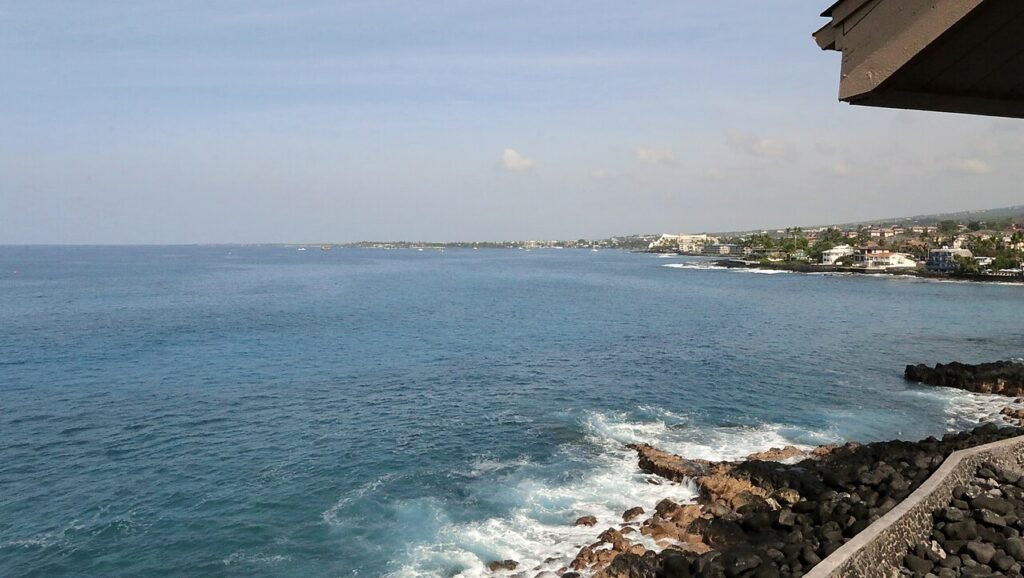
Featured photograph: Kona Bay, Kailua-Kona, photographed in 2014 by Robert Linsdell / Wikimedia Commons, CC BY 2.0. Resized and cropped for display.

Use the base to settle transport and cost
After choosing a likely area, compare the Hawaiʻi Island transport options and put the full stay into the budget framework. The seven-day itinerary tests whether one or two bases work in practice, while the Maunakea and Kealakekua Bay guides help place specific west-side and high-elevation outings.
Use the base to choose the right newer Hawaiʻi Island guides
A Kona or Kohala stay pairs naturally with Hāpuna Beach, Kona coffee farms, the manta ray guide, and Puʻuhonua o Hōnaunau. These are easier to combine without turning the day into a cross-island drive.
For Hilo or an east-side stay, use Rainbow Falls and Boiling Pots, Hawaiʻi Tropical Bioreserve & Garden, ʻAkaka Falls, and the current Waipiʻo access guide. For Volcano, keep Kīlauea Iki and the one-day national-park guide close at hand.